Razer gaming headsets, ranked by who should actually buy them

Gaming news, hands-on reviews, and guides from the island — written by players who bought the thing, not by press releases.
Loading The Wire

Not by price and not by specification count. By the reader each headset is the right answer for. A ranked list is only useful if the ranking criterion is stated, so: value per dollar for the majority of buyers, first.
This piece is adapted from GamerzParadise archive copy from 2021. Product line-ups move; treat model availability as something to check, and treat every specification below as the manufacturer's published figure rather than our measurement.
The most sound per dollar in the line-up. Low-key design, light enough to forget you are wearing it, cooling gel earcushions, and a single 3.5mm plug so it works with a PC, PS4, Xbox One, Switch, or a phone. Razer's Triforce 50mm driver splits into three sections so highs, mids, and lows are tuned separately, and the noise-isolating microphone is good enough for team comms. Buy this one unless you have a specific reason not to.

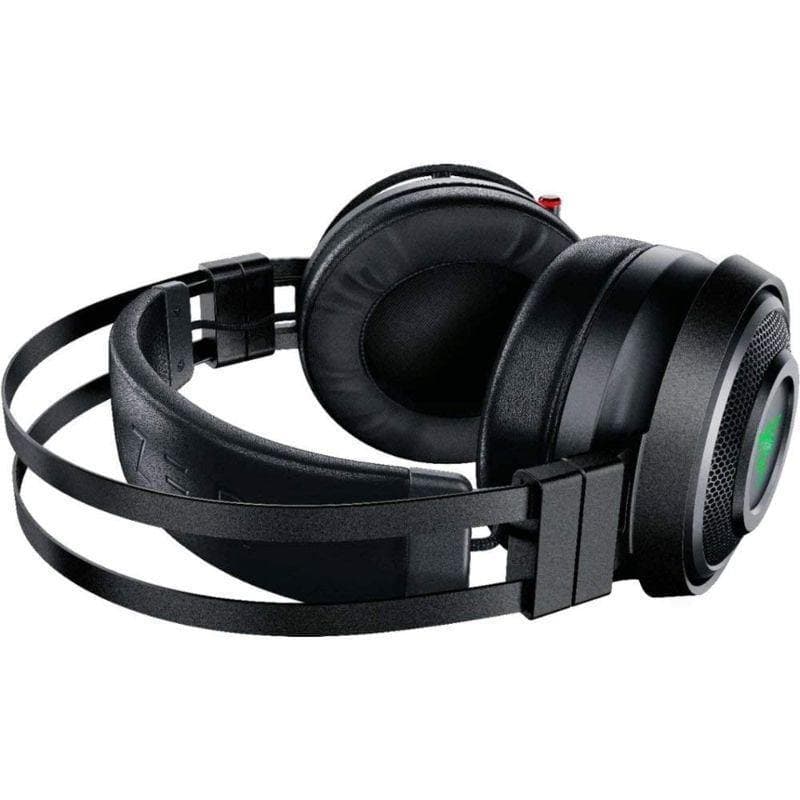
The only headset here with something the others cannot do. HyperSense converts audio into directional vibration in the earcups, and the intensity is dial-controlled so you can dismiss it. Wireless over 2.4GHz with a 3.5mm fallback. The chassis is plastic and the default tuning is bass-heavy, so budget ten minutes for the EQ.
The cheapest way into the line and the lightest thing to put on your head. Wired, plainly specified, and honest about it: Razer publishes a 12Hz–28kHz frequency response, 32Ω impedance, and 109dB sensitivity. It is the right answer for a long session where headband pressure is what makes you stop.
In-ear, flat tangle-resistant cable, inline controls, and a microphone designed to reject background noise. Razer states the acoustic chamber is over 20% larger than the original Hammerhead. It exists for commuting and mobile play, and it is the wrong tool for a desk.
The BlackShark V2 X. It is wired, it uses Razer's Triforce 50mm drivers, and it connects over a single 3.5mm plug, so it works on a PC, a console, or a phone without an adapter.
Only if cable management is an actual problem for you. Wireless costs battery management and, on the Nari Ultimate, a heavier chassis. It buys you nothing in sound quality at the same price.