25 Games Every Gamer Should Play at Least Once
No list can define the medium, and “essential” should never mean homework. These are invitations: games that changed design language, perfected a genre, created a world worth inhabiting or produced a feeling competitors still chase. We favored variety over franchise repetition and experiences that remain playable, fascinating or historically illuminating today.
Pick your best fit.
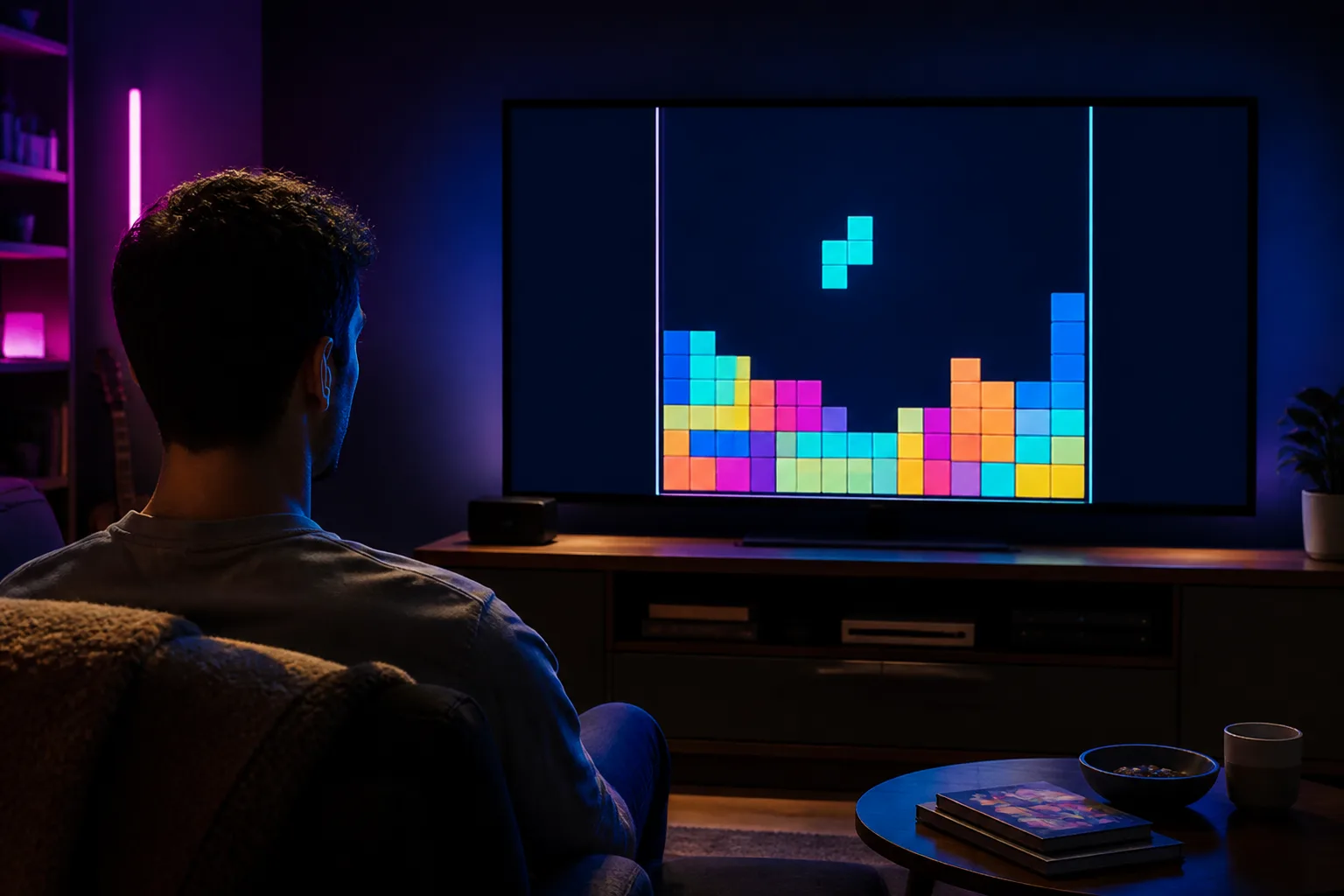
Tetris has no story, progression tree or ending - only a perfect tension between order and the mistake you left five pieces ago. It is instantly understood, endlessly demanding and at home on almost every machine ever called a gaming device. If one game must represent play as a pure, durable idea, this is it.
Anyone who wants gaming’s clearest timeless challenge.
Easy to learn does not mean easy to master.
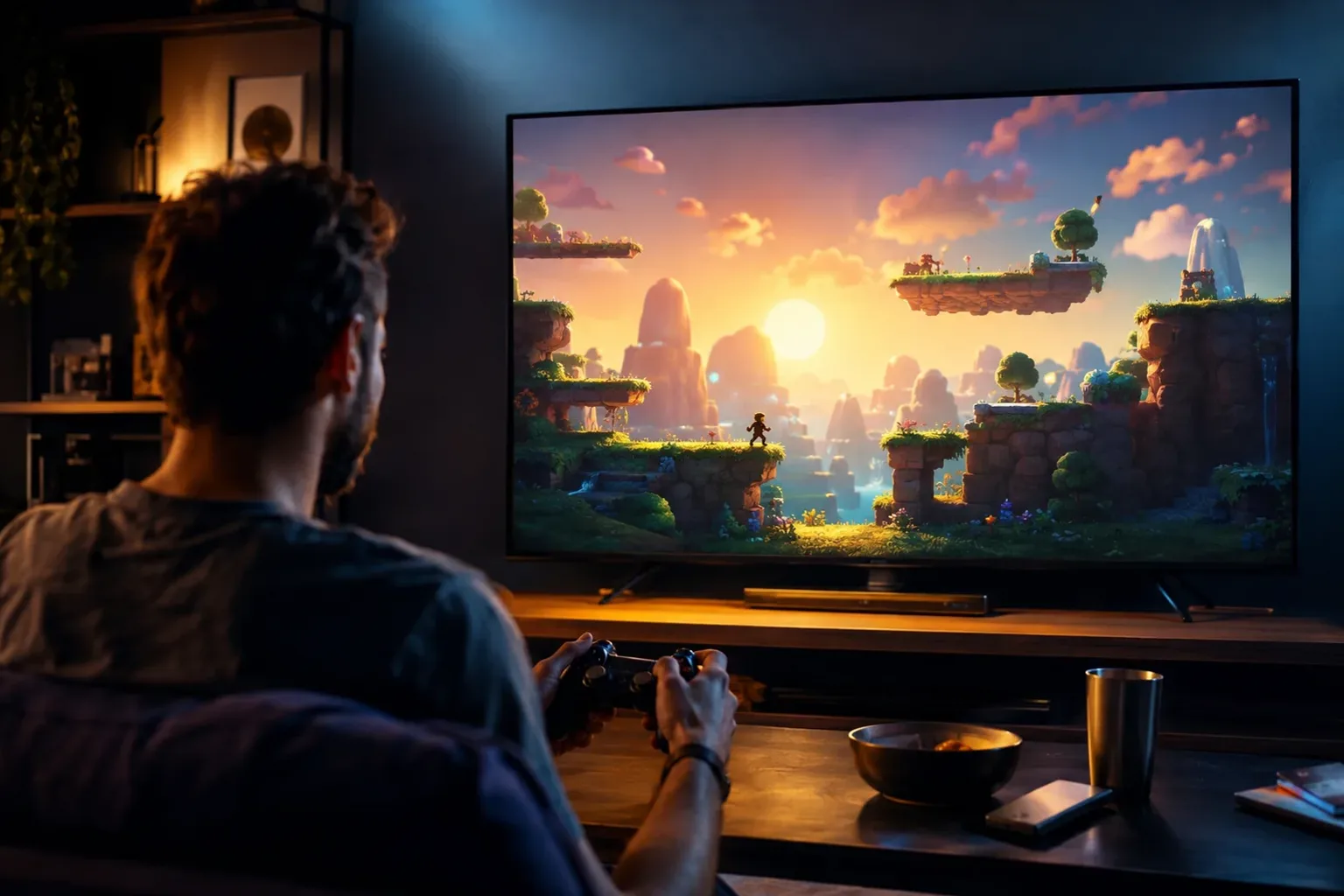
World 1-1 teaches movement, danger, secrets and power without a paragraph. That clarity helped define home-console play, but the game endures because running and jumping still feel joyful. Every platformer since has argued with Mario’s momentum, camera and impeccable first lesson.
New players and designers studying how games teach through play.
The original lives system can feel unforgiving.
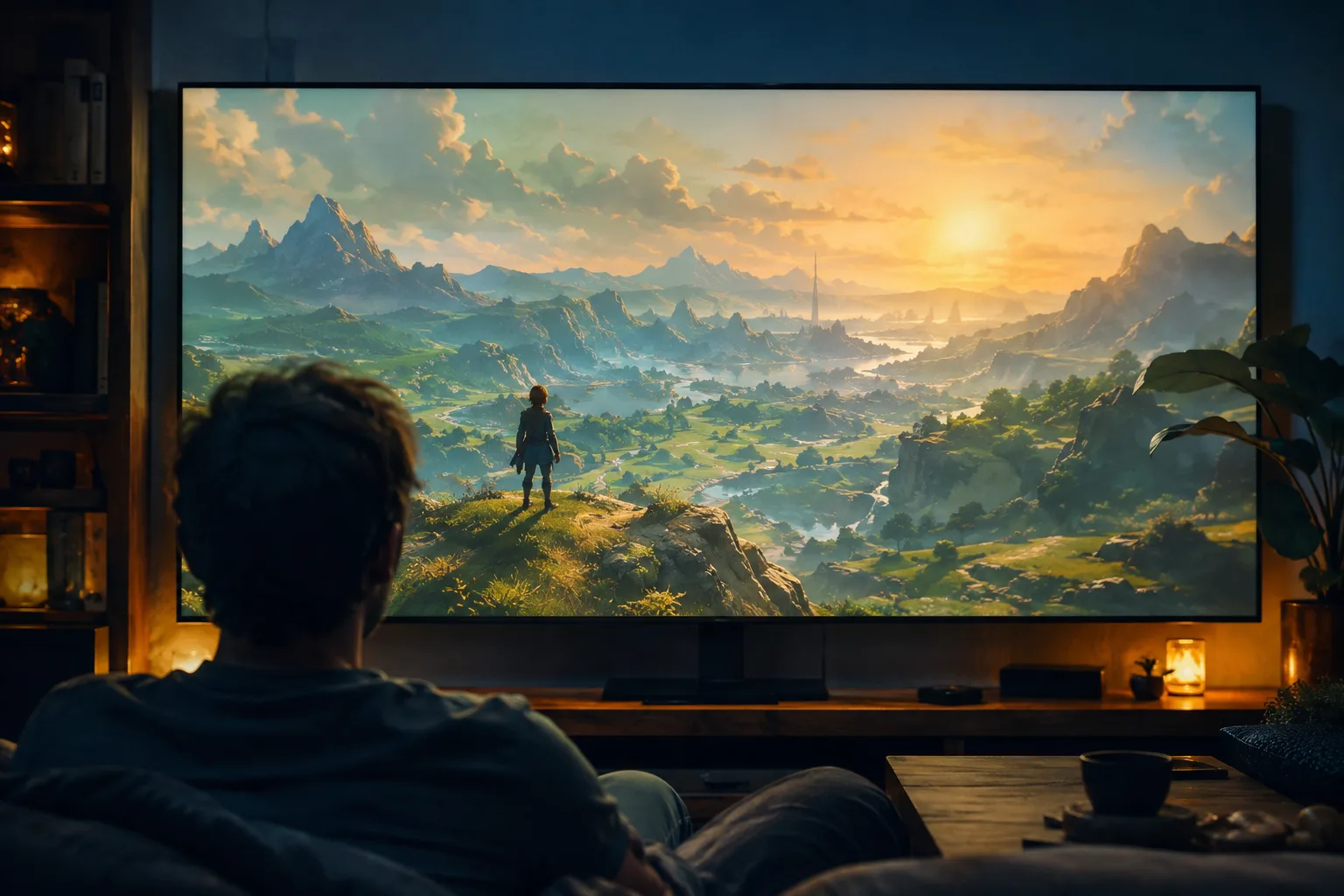
Breath of the Wild replaces locked solutions with consistent rules. Fire spreads, metal conducts, wind carries and mountains invite climbing. The result is an open world where the player authors the route and often the joke. It made curiosity - not map completion - the central progression system again.
Curious explorers who value freedom over checklists.
Weapon durability frustrates some players.
The complete ranking
Start at ten for the wider field, or jump to the top three for the strongest recommendations.
Journey
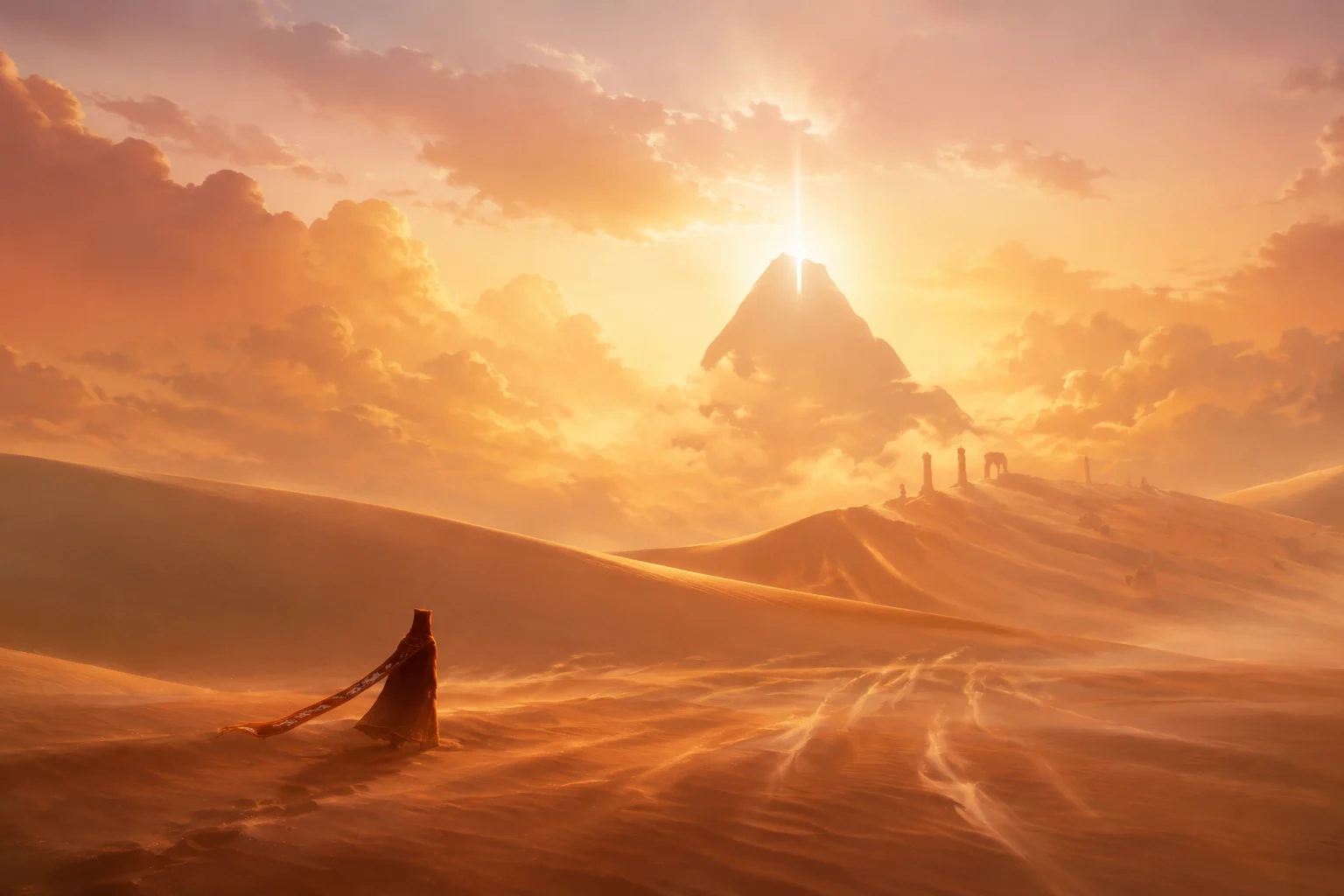
Journey strips away dialogue, inventories and exposition until movement itself becomes the story. Its anonymous online companionship can turn a stranger into a trusted partner without a single sentence. Short, beautiful and generous, it is the cleanest rebuttal to the idea that games need complexity to carry emotion.
The Sims 2
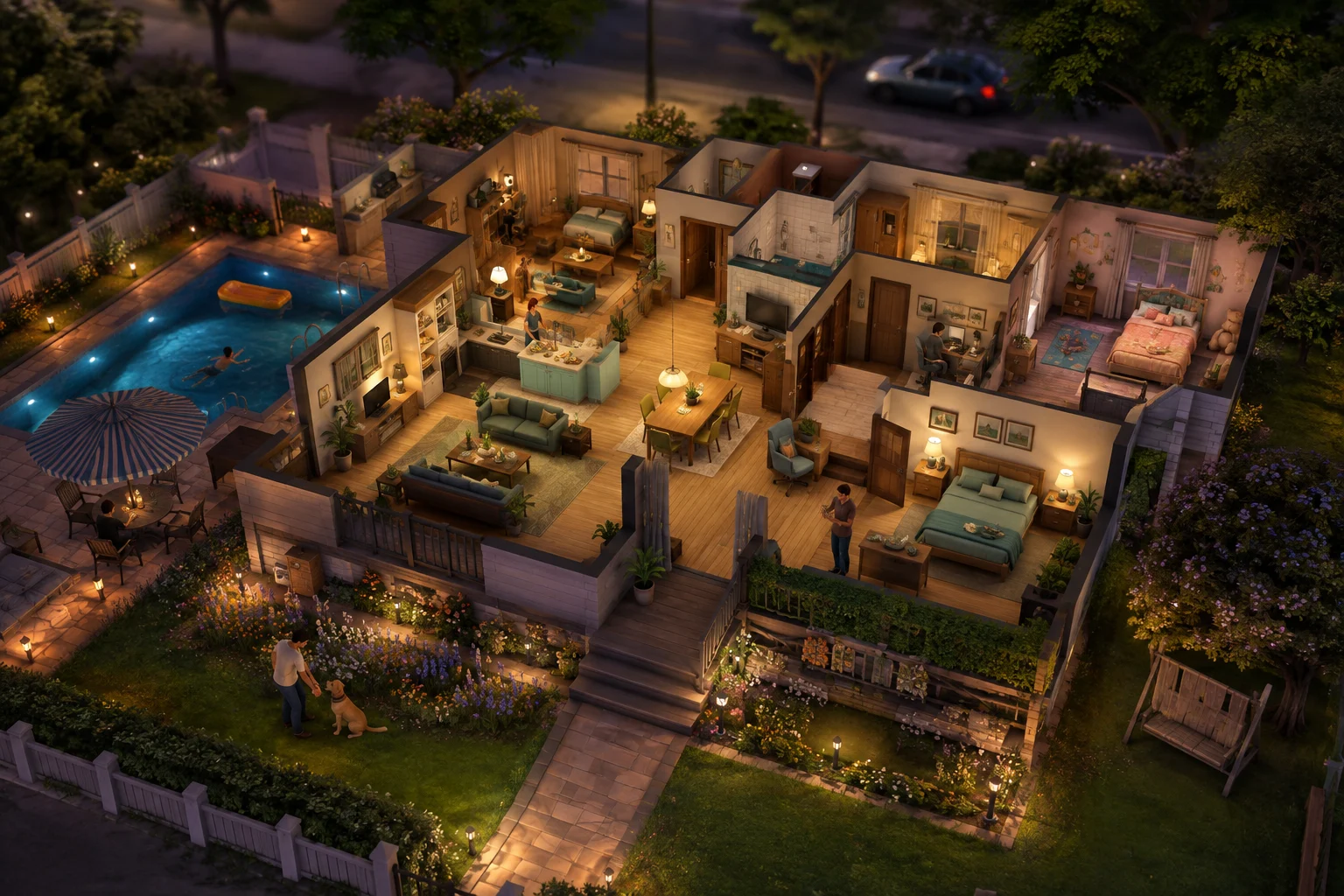
The Sims 2 gave its little people memory, aspiration and just enough autonomy to ruin your plan. Beneath the dollhouse appeal is a brilliant storytelling system: desire collides with architecture, personality and player interference. It helped make simulation personal, funny and legible to an audience far beyond traditional gaming circles.

Fortnite
Fortnite is a battle royale, a concert venue, a creator toolkit and a generational meeting place. Its constant reinvention makes it historically messy but culturally unavoidable. Play a few modes with friends and you will understand how games became persistent spaces rather than products that simply end.
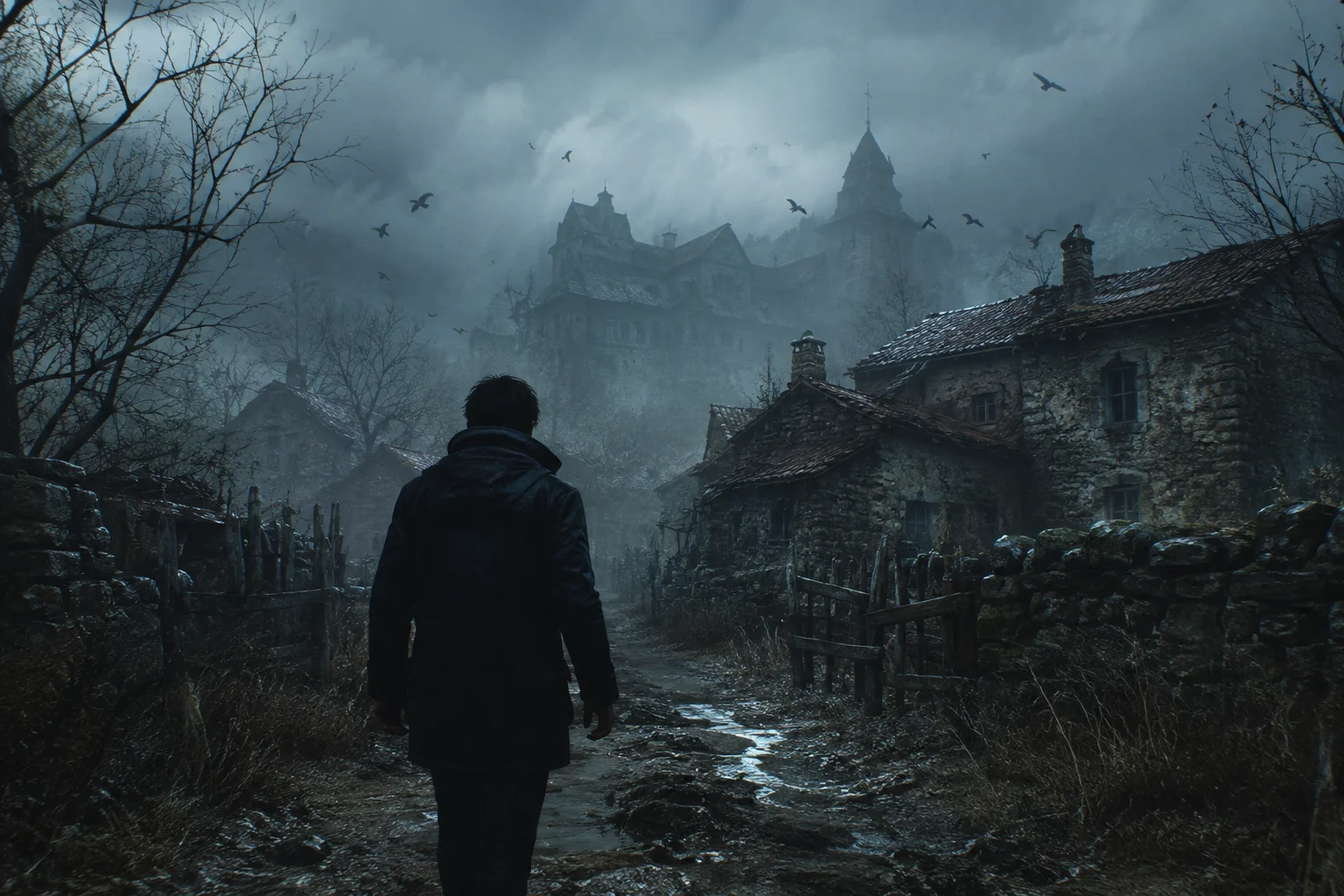
Resident Evil 4
Resident Evil 4 taught a generation how an over-the-shoulder action game should frame threat, reward precision and escalate spectacle. The original exposes the blueprint; the remake brilliantly modernizes it. Either path delivers pressure, camp and one of gaming’s most influential camera shifts.
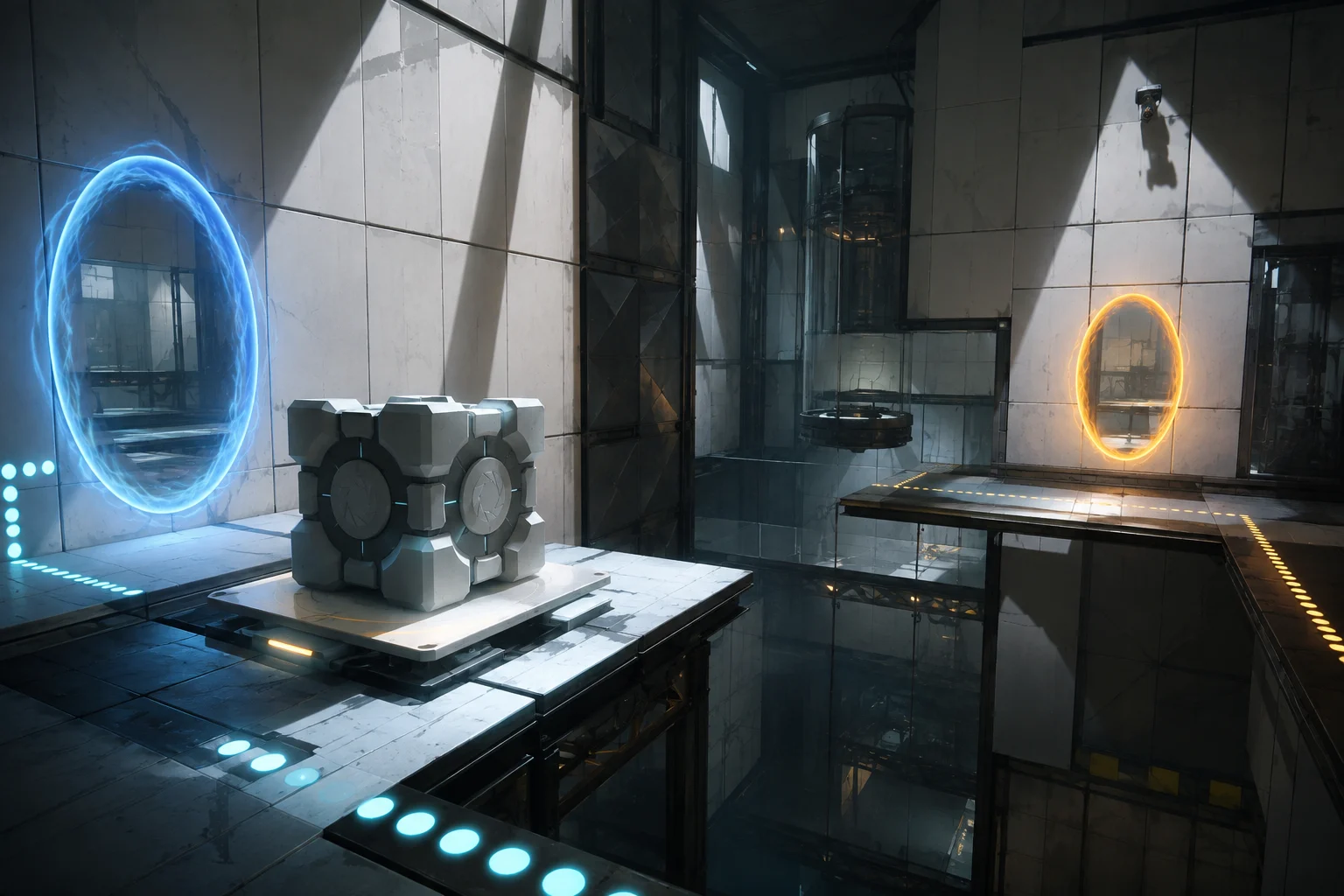
Portal 2
Portal 2 introduces an impossible rule, lets you feel clever for learning it, then turns the room inside out. Valve pairs immaculate puzzle teaching with comic timing and environmental storytelling that never clog the experiment. Its separate co-op campaign is also one of the sharpest two-player designs ever built.
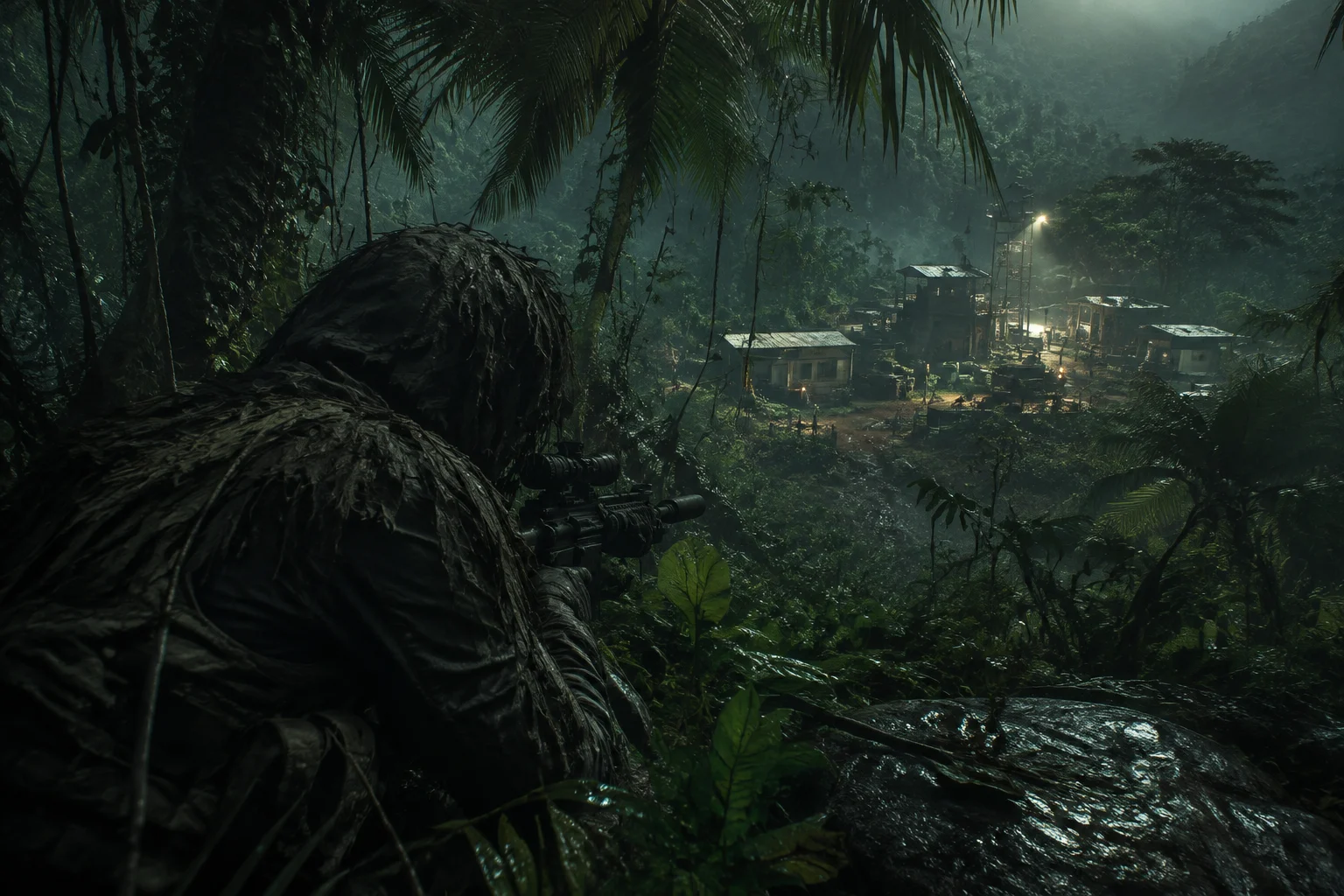
Metal Gear Solid 3: Snake Eater
Snake Eater is a Cold War spy tragedy constantly interrupted by brilliant toy-box logic. Camouflage, stamina, wildlife and improvised medicine make survival tactile; Hideo Kojima’s direction makes it operatic. Few games swing so confidently between slapstick systems and genuine heartbreak.
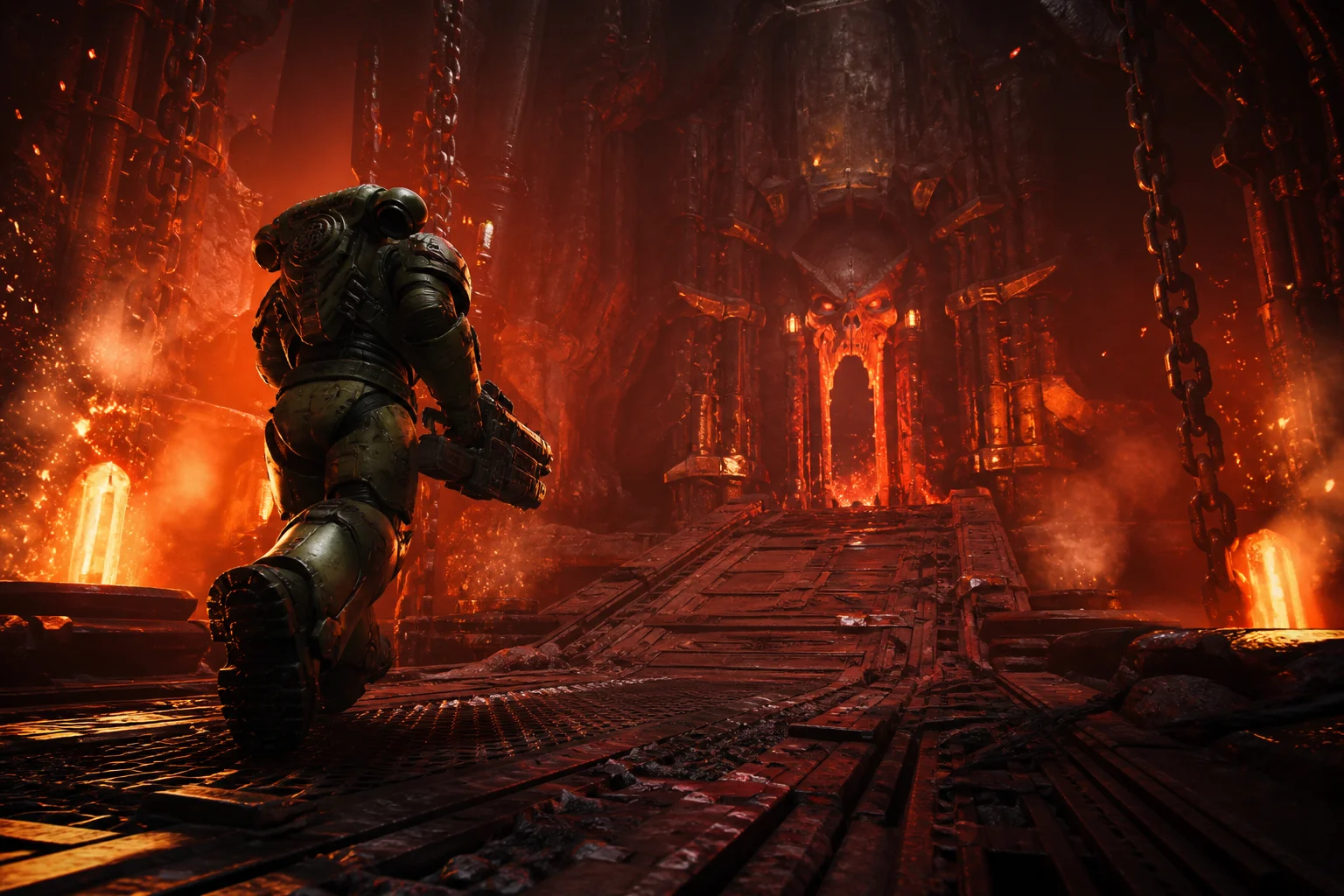
Doom
Doom remains startlingly immediate: move, read the arena, choose the threat, fire. Its mod scene and endlessly reusable level design turned a landmark into a living platform. Play the original long enough to feel how many modern shooters still speak its language.
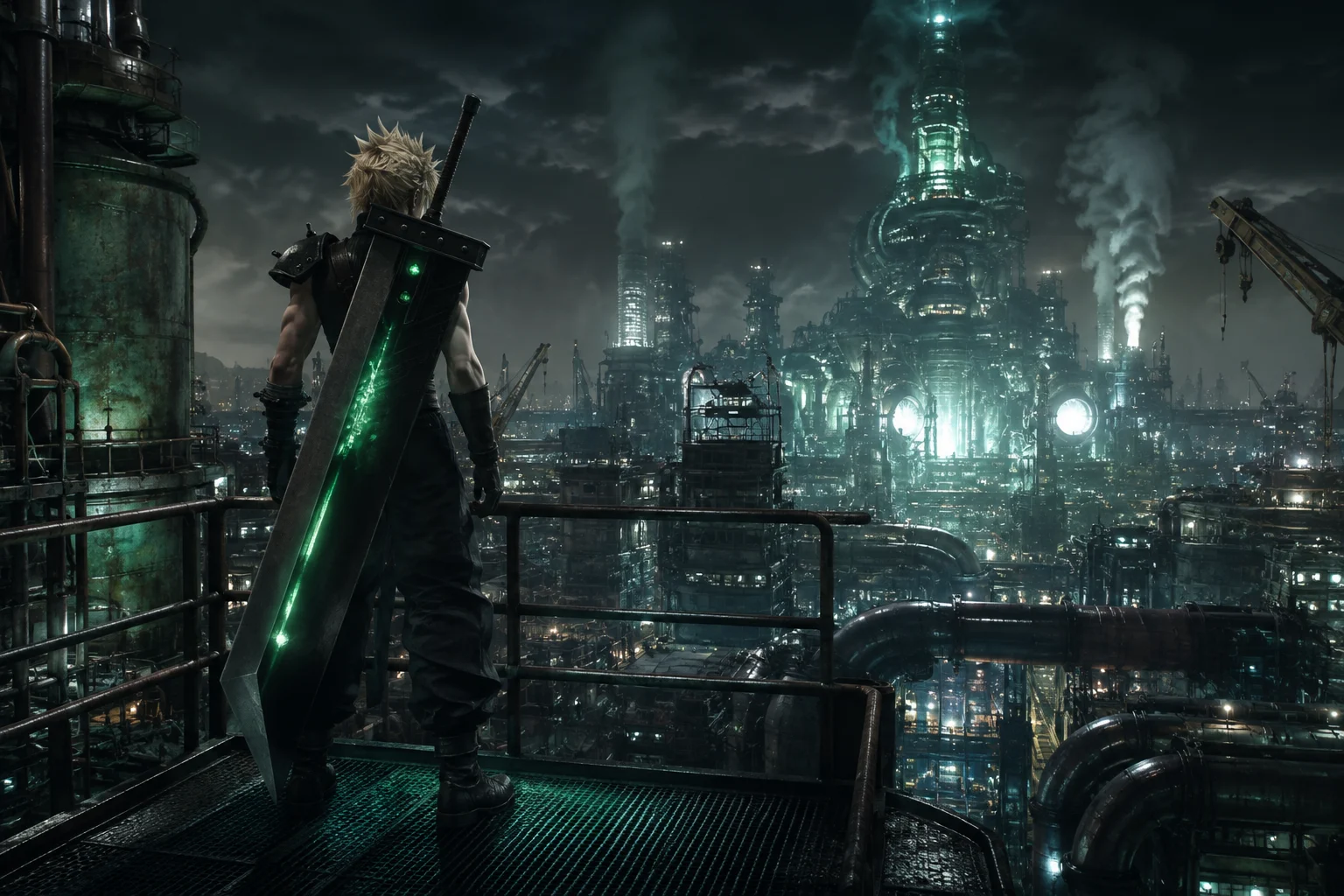
Final Fantasy VII
Final Fantasy VII took intimate grief, ecological anger and identity crisis onto a blockbuster stage. Its prerendered worlds have aged into a distinct style, while materia remains a flexible, approachable progression system. The remake project is a fascinating companion, but the original is still the complete historical shock.
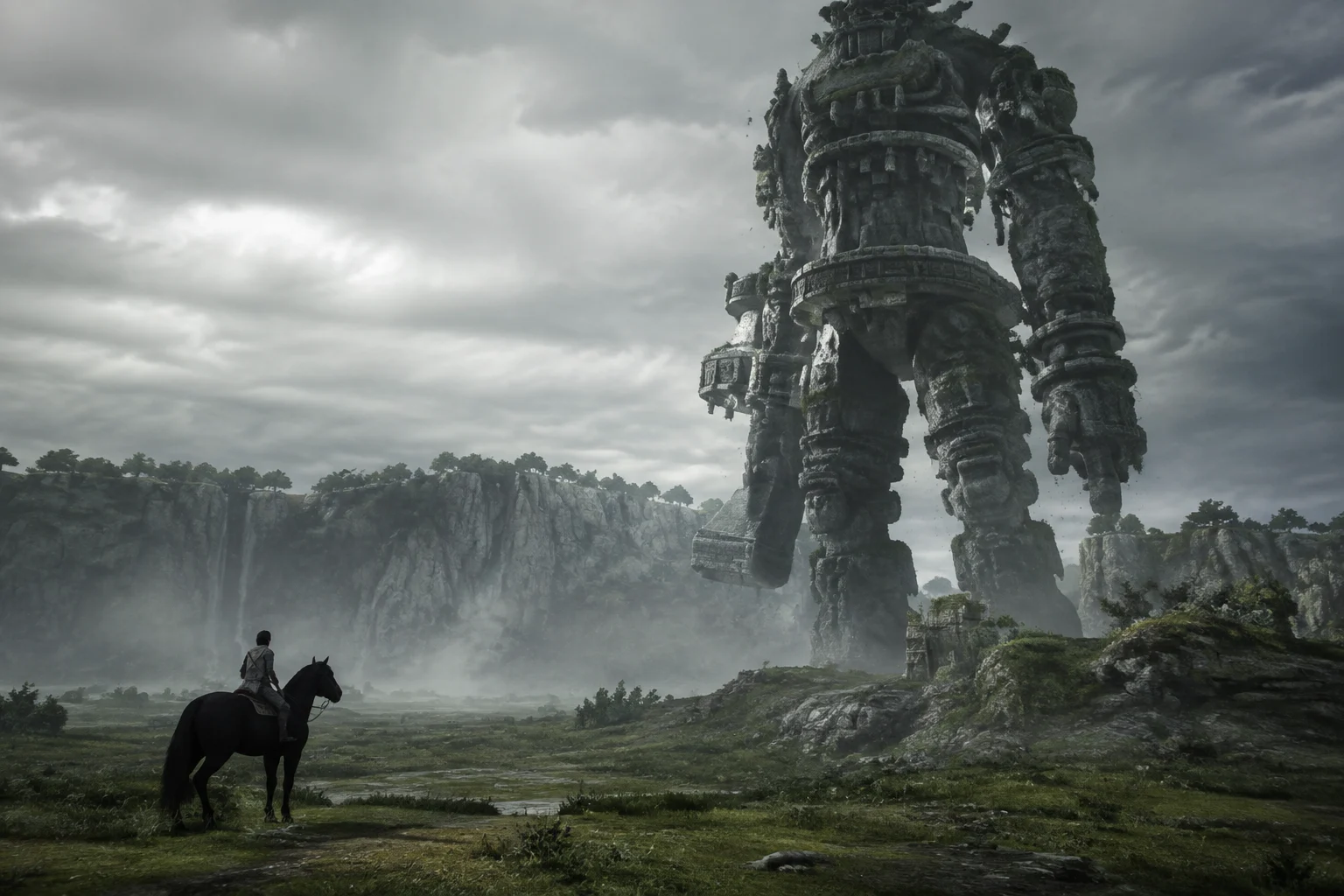
Shadow of the Colossus
Sixteen giants, a horse and an empty forbidden land are enough. Each colossus is level, puzzle and living tragedy, and every victory makes the quest feel less righteous. Few games use emptiness so confidently or make a boss’s fall feel so heavy.
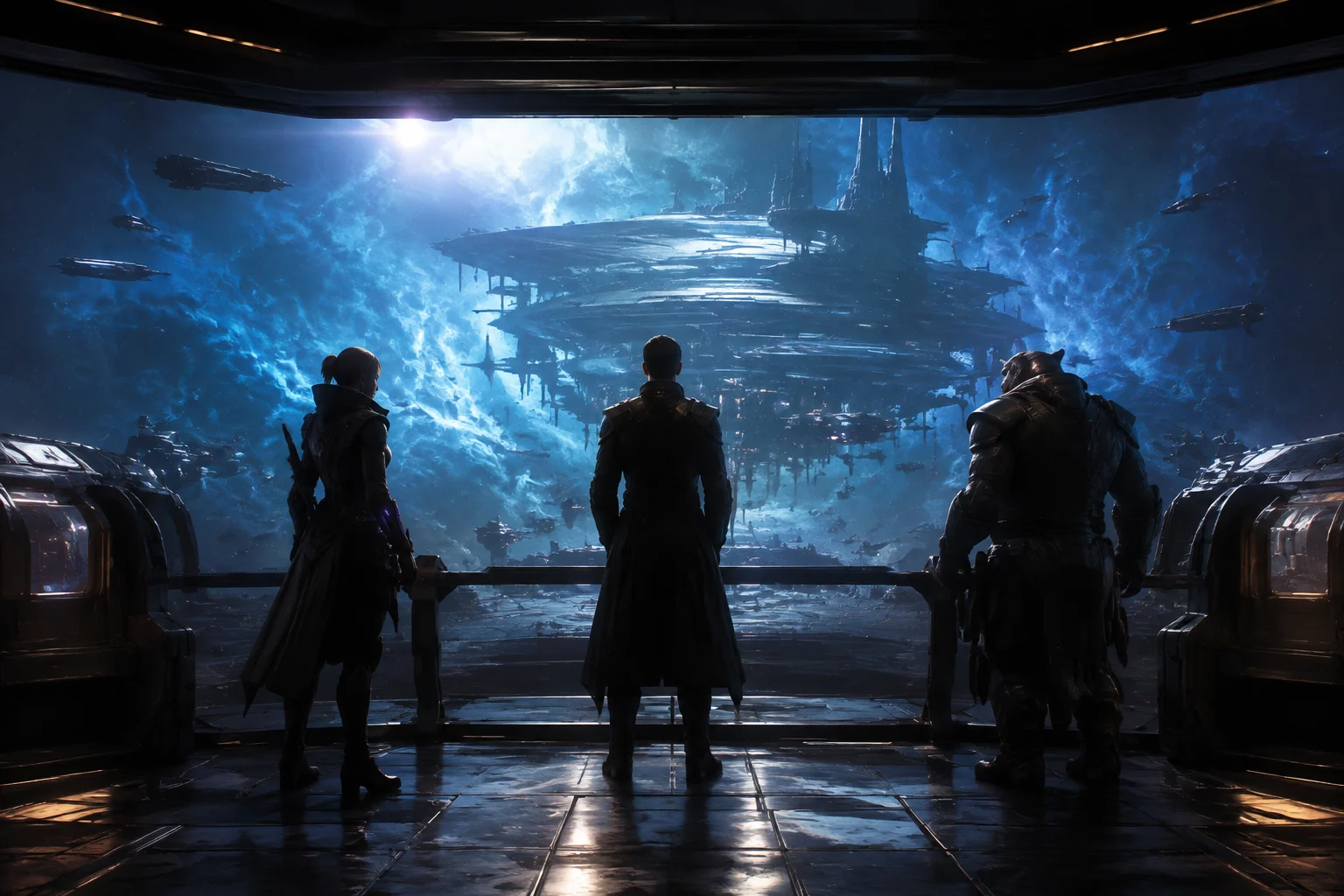
Mass Effect 2
Mass Effect 2 turns party loyalty into the machinery of a suicide mission. Conversations, personal quests and combat roles all feed the finale, where neglected relationships become consequences. The broader trilogy supplies context, but this middle chapter is the purest demonstration of companions as the main event.
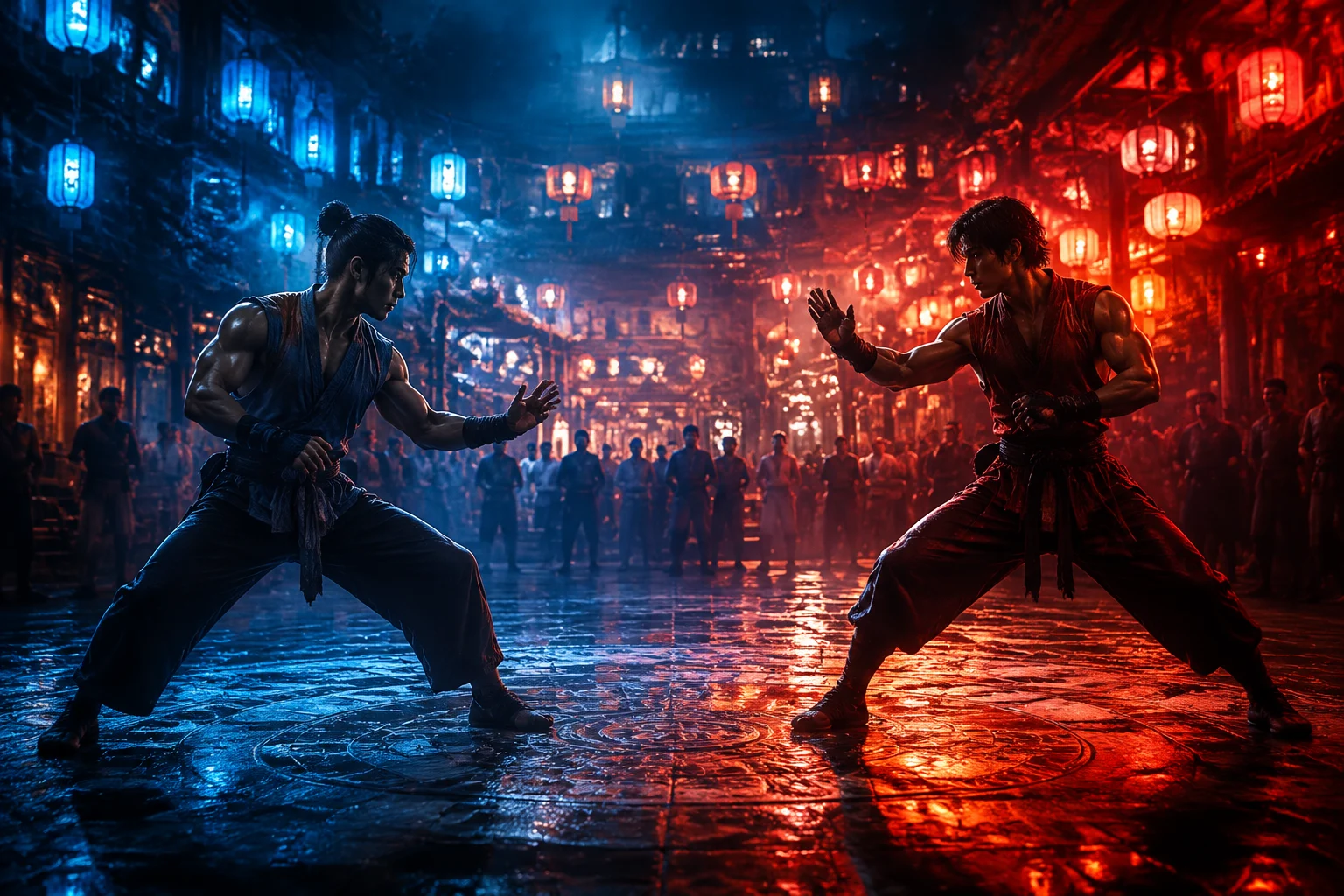
Street Fighter II
Street Fighter II made matchups, motion inputs and local rivalry global culture. Its roster teaches through silhouette and movement; its rounds turn tiny reads into drama. Modern fighters are friendlier and deeper in countless ways, but the thrill of two players, two life bars and one mistake starts here.

Minecraft
Minecraft hands you a block, a sunrise and a question: what now? That simplicity supports architecture, automation, exploration, education and childhood folklore. Its greatest achievement is ownership. A Minecraft world does not feel like a level you visited; it feels like a place whose history belongs to its players.
Half-Life 2
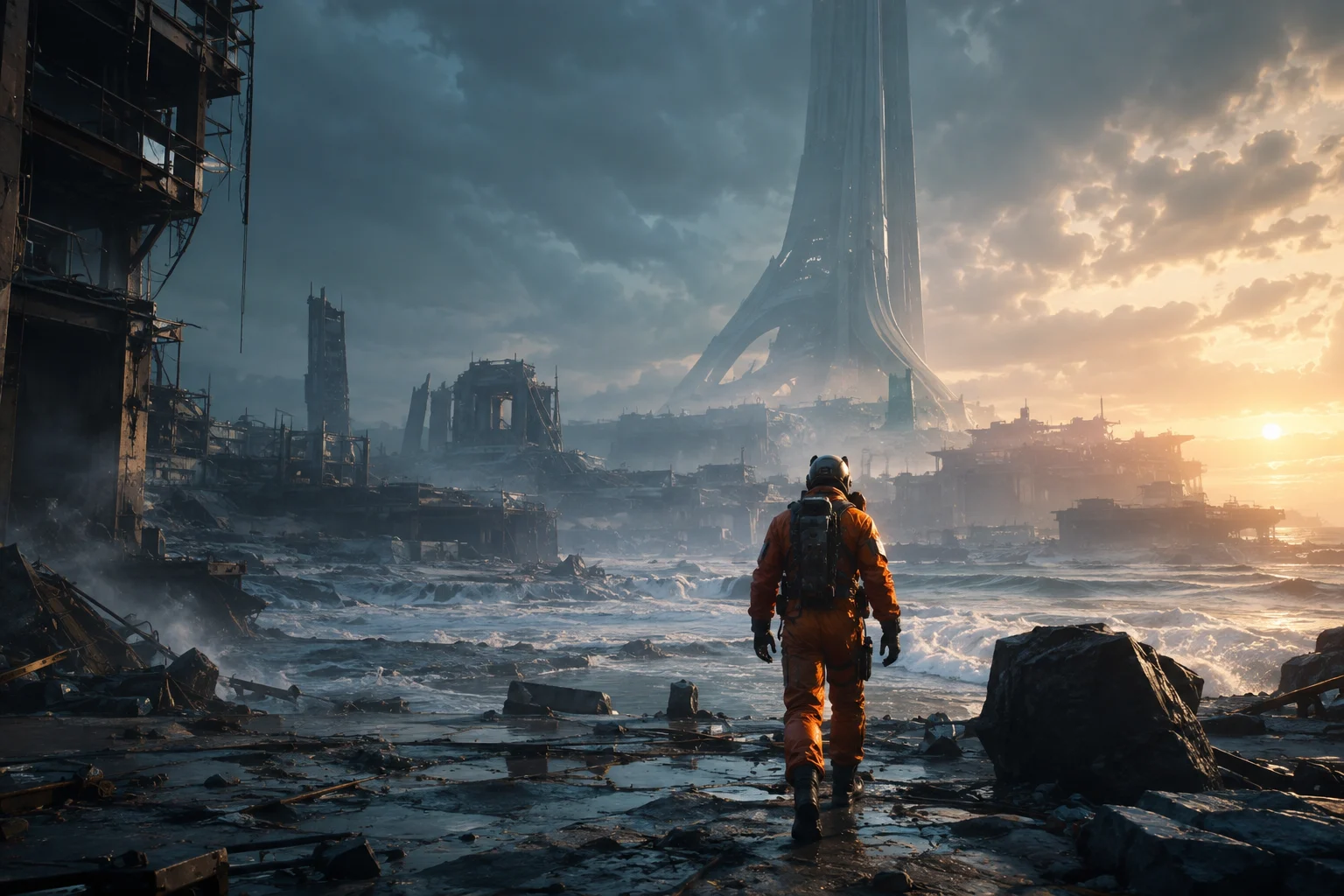
Half-Life 2 makes exposition walk beside you. City 17 explains itself through architecture, surveillance and frightened people, while the gravity gun turns physics into both weapon and punchline. Its seamless journey shaped cinematic shooters without surrendering player control.
The Last of Us
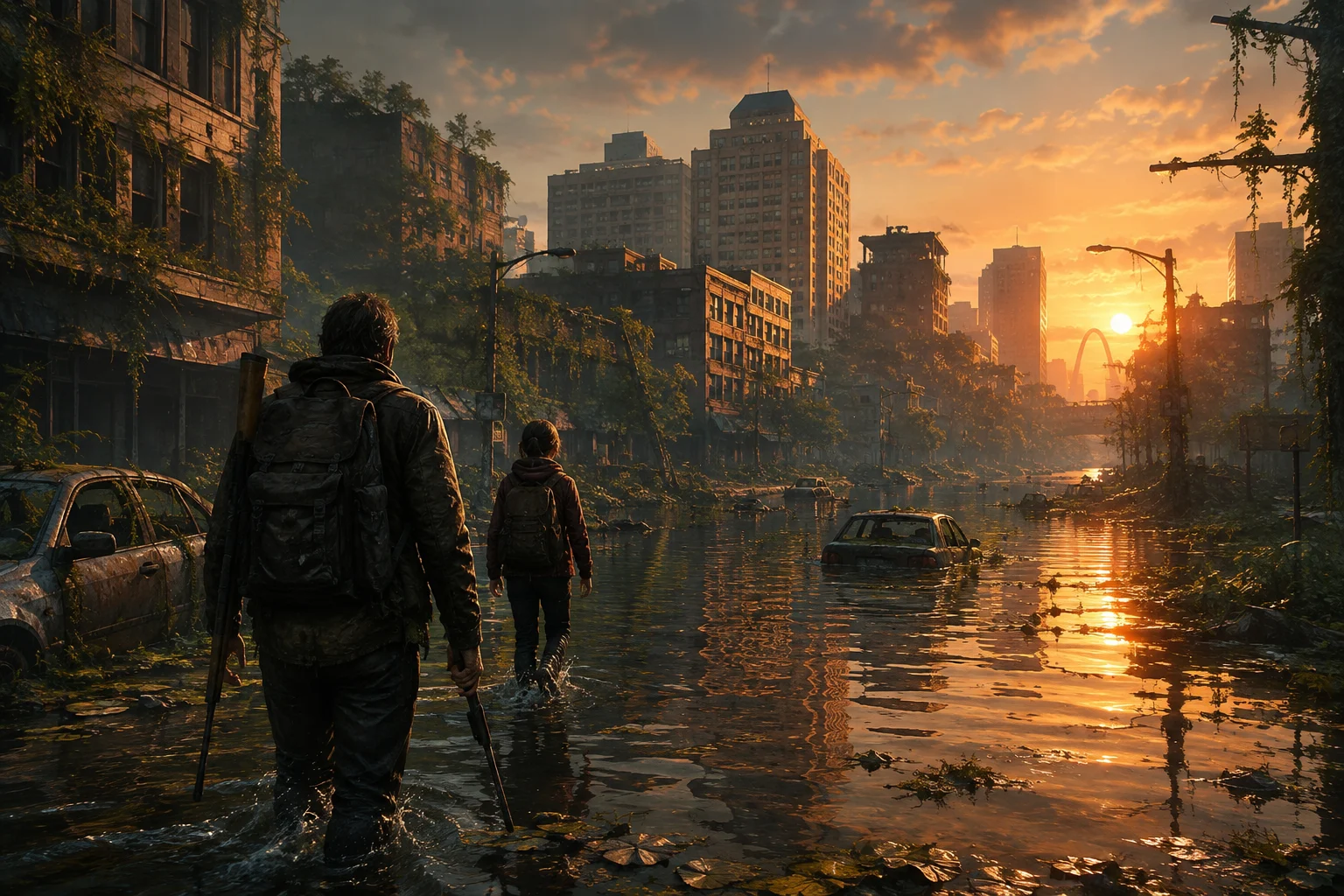
The Last of Us is remembered for Joel and Ellie, but its craft lives in the friction between care and violence. Quiet exploration builds attachment; desperate combat makes survival ugly. Its ending still provokes because the game earns love before asking what that love can justify.
Halo: Combat Evolved
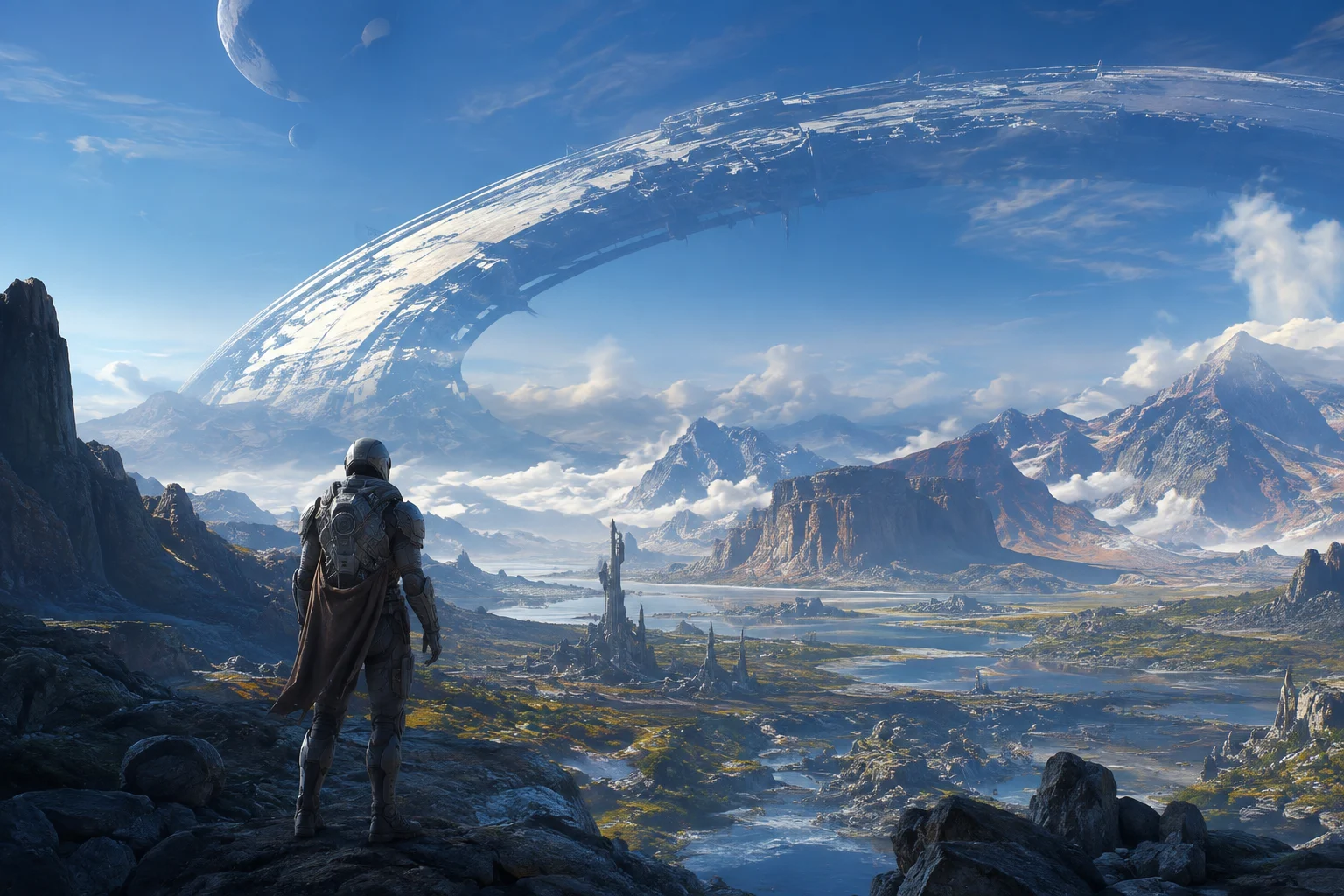
Halo made a controller feel natural for first-person combat and built encounters spacious enough to improvise. Its two-weapon limit, recharging shield, vehicles and enemy hierarchy create a combat loop that remains readable decades later. “The Silent Cartographer” is still a masterclass in possibility.
Pokémon Red/Blue/Yellow
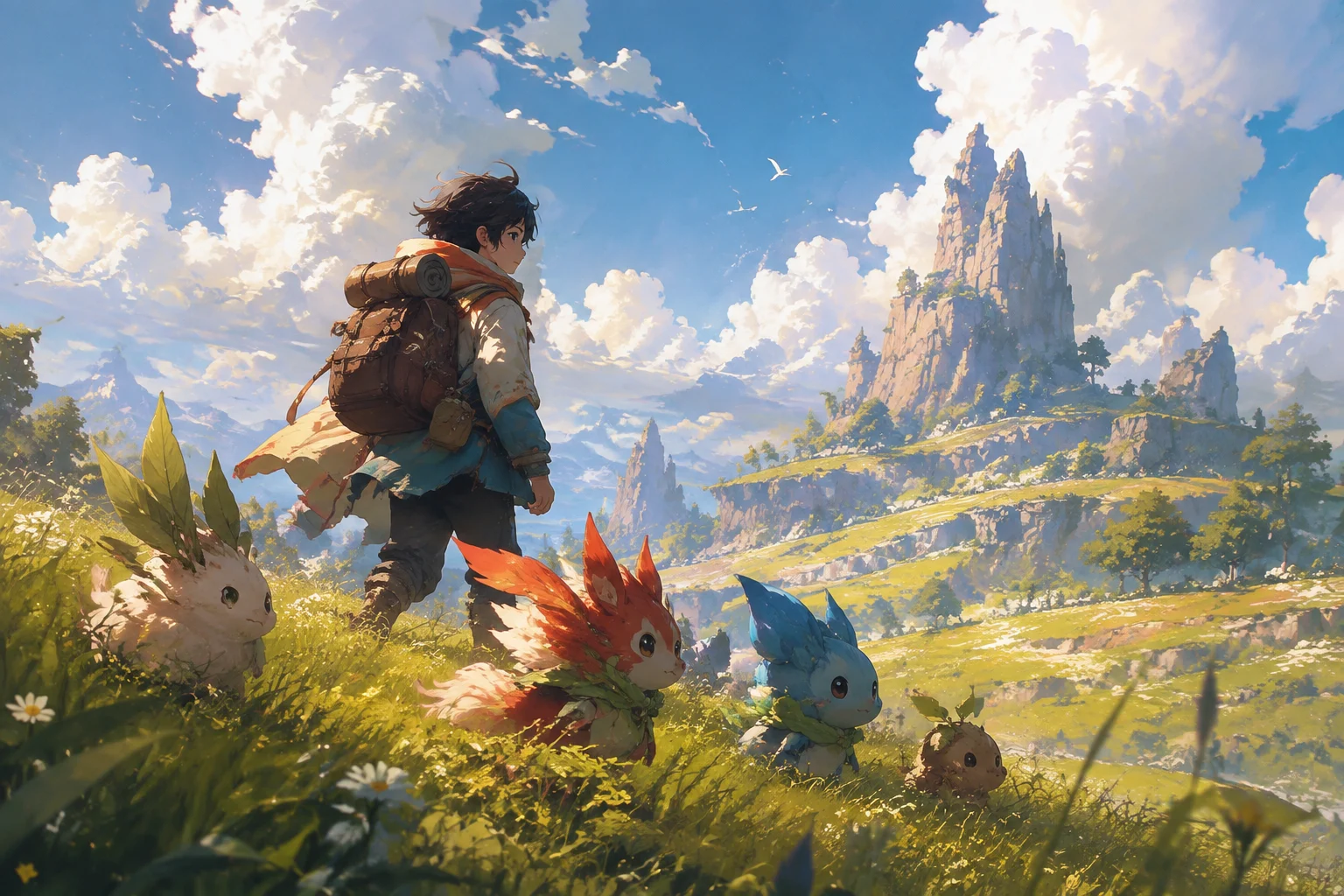
The first Pokémon games are technically rough and conceptually perfect: explore, catch, train, trade, imagine. The cable between two Game Boys turned a solitary RPG into a social ritual. Later entries add comfort and scale, but the original 151 reveal the design idea in its most concentrated form.
Dark Souls
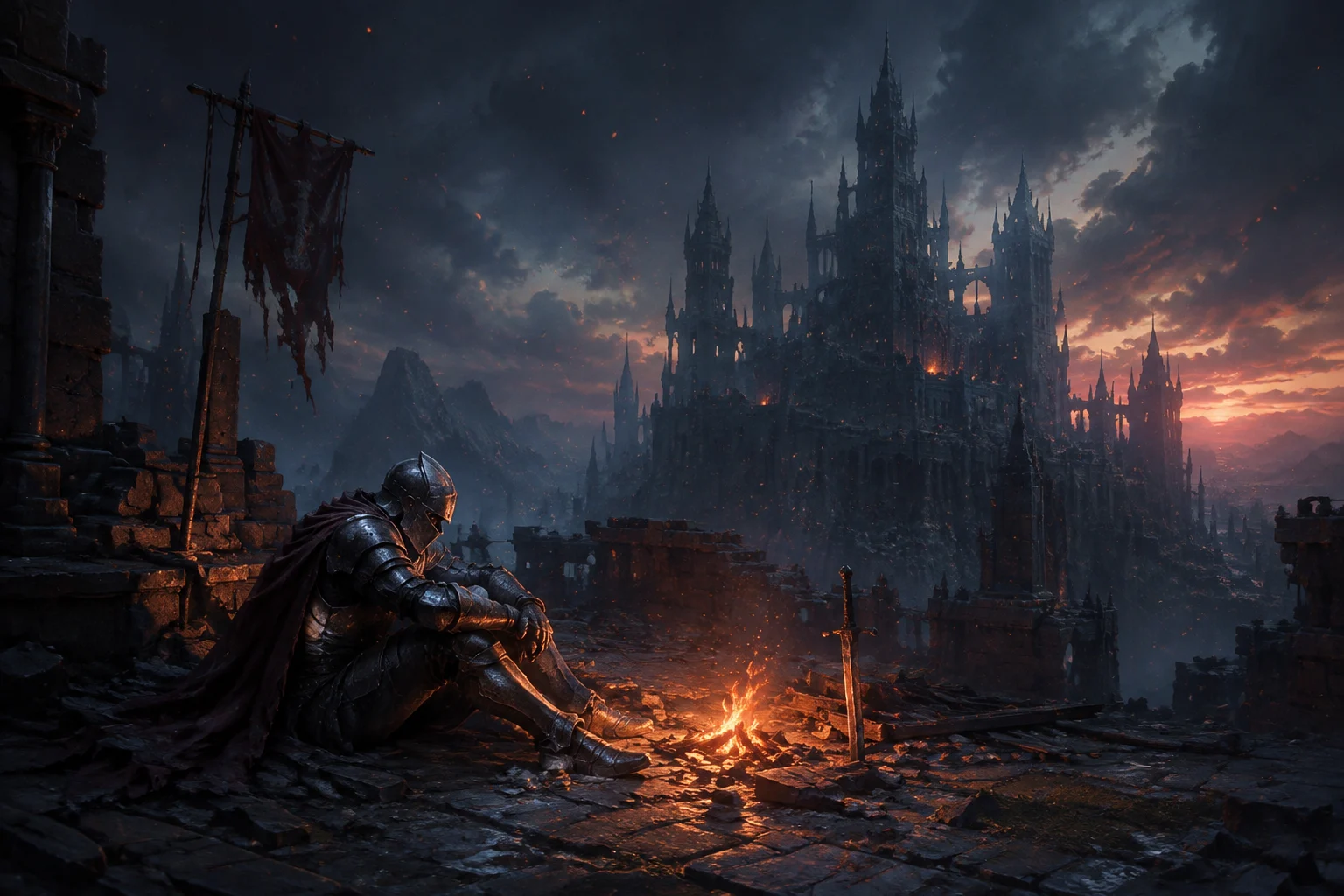
Dark Souls trusts observation more than instruction. Shortcuts fold Lordran into a mental map; enemies teach timing; failure makes lost ground meaningful. Its difficulty became a marketing cliché, but its real legacy is intimacy - the feeling that knowledge, not a stat sheet, changed you.
Grand Theft Auto V
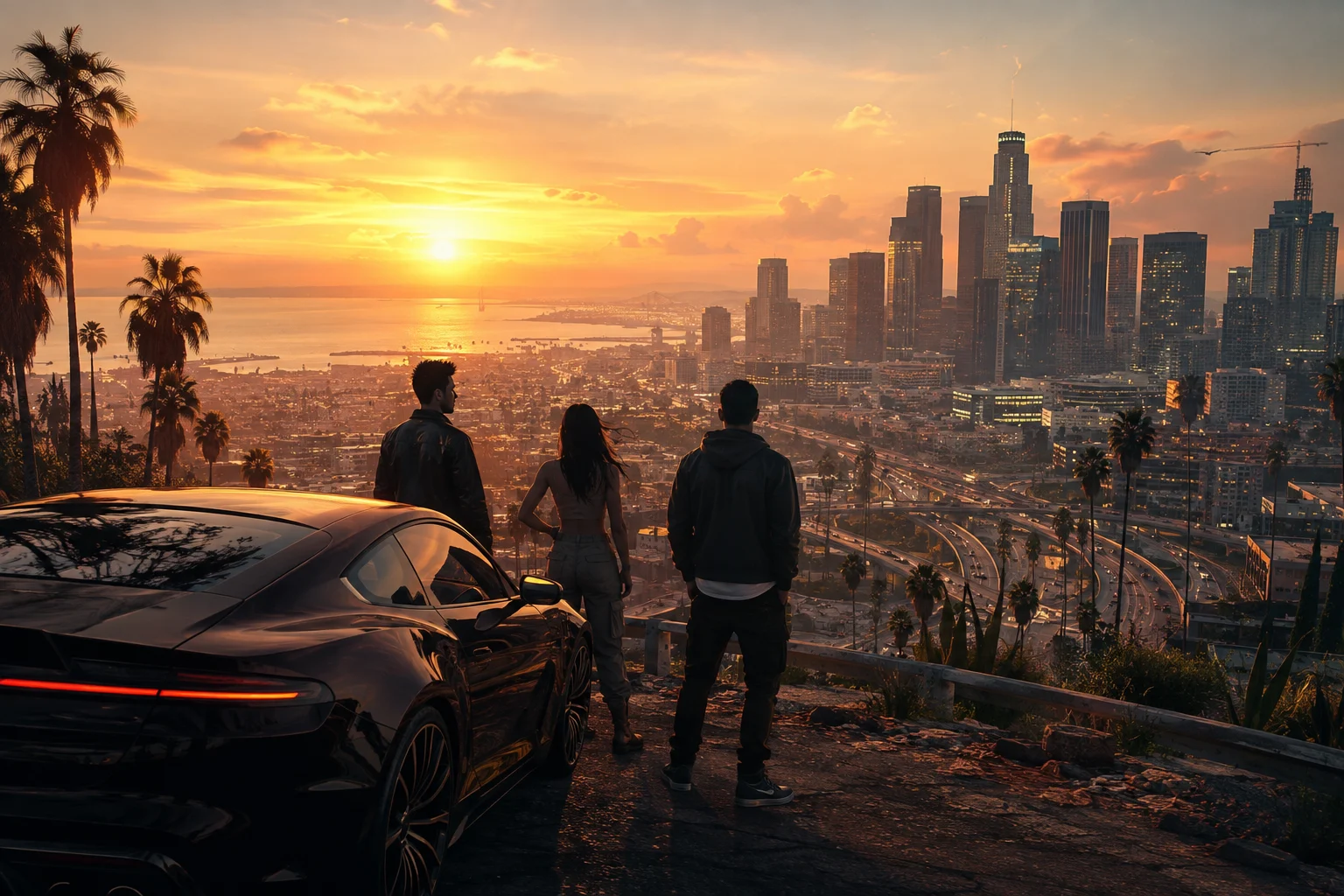
Los Santos is playground, film set and social mirror. GTA V’s three-protagonist structure lets missions cut like a heist movie, while GTA Online transformed the world into a decade-long service. Its excess is the point - and the reason its influence is impossible to ignore.

Baldur’s Gate 3
Baldur’s Gate 3 makes “I wonder if this works” a valid design philosophy. Quests bend around failure, companions carry competing desires and turn-based combat invites absurd plans. It brought dense computer role-playing to a huge audience without flattening the genre’s possibility space.
Super Metroid
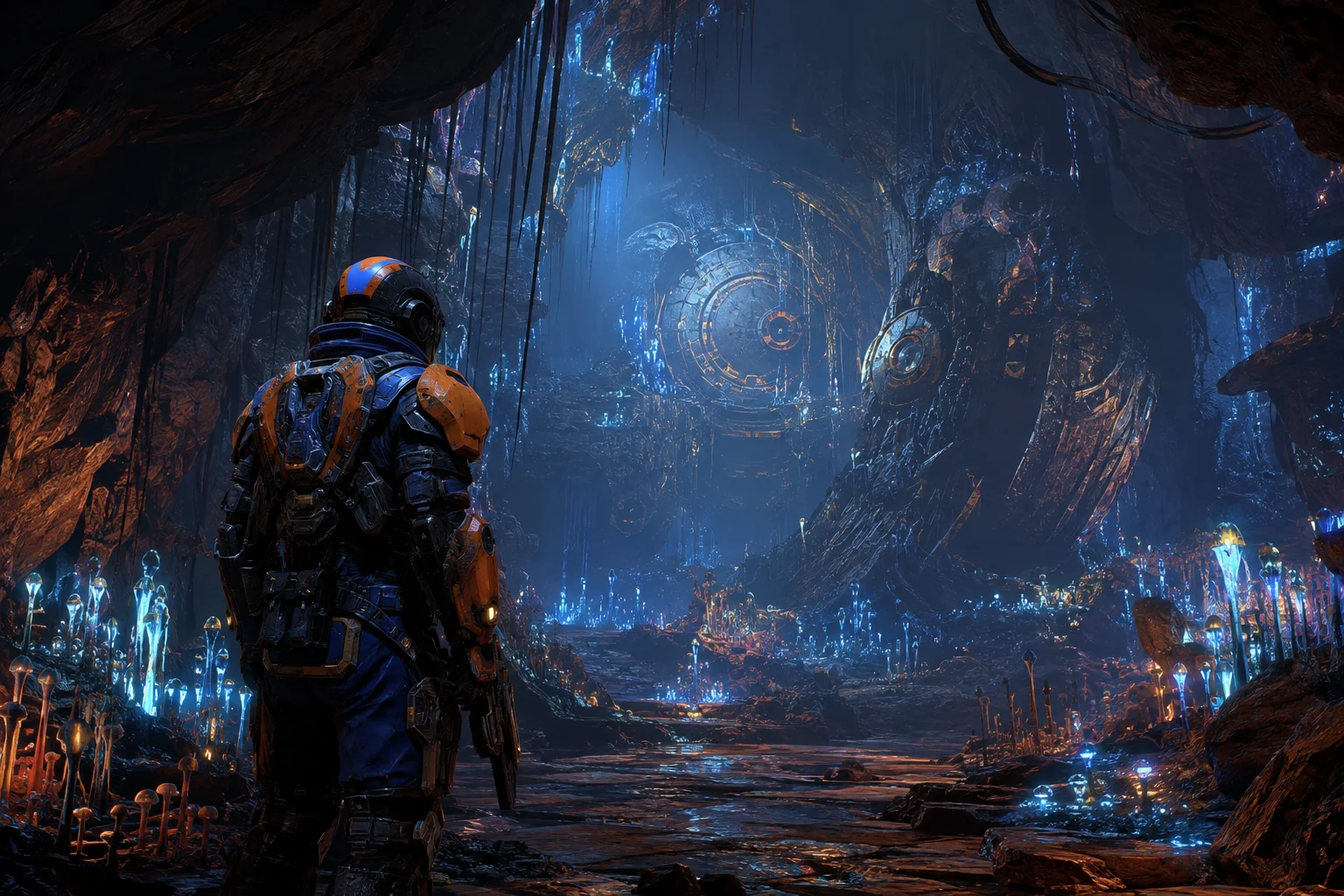
Super Metroid teaches with level shape, sound and glimpses of places you cannot yet reach. Returning with a new ability turns old obstruction into revelation. Its atmosphere and map design remain the standard behind an entire genre name, and its opening hour still wastes nothing.
Red Dead Redemption 2
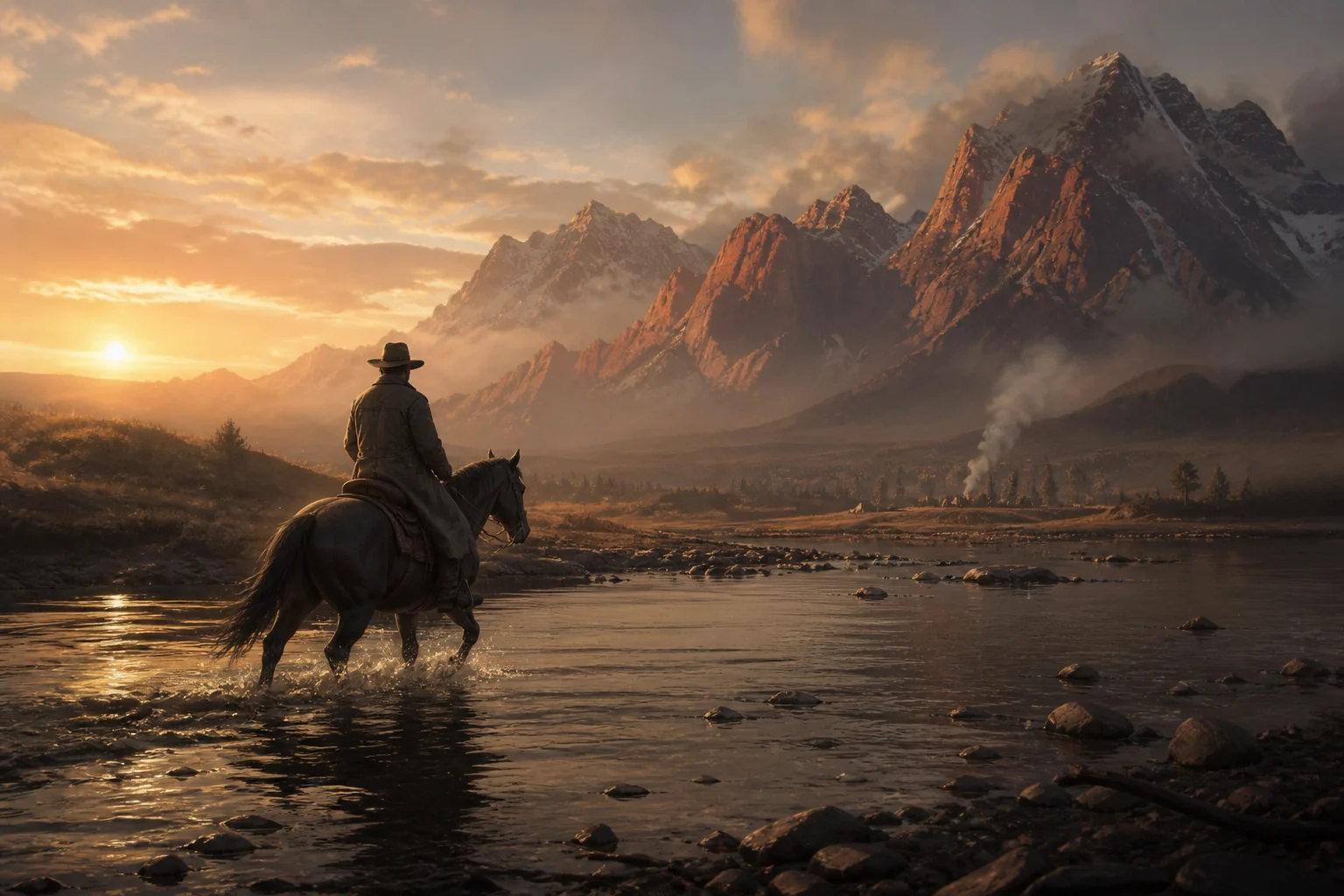
Arthur Morgan’s story works because the world gives him time to exist between missions. Camp conversations, long rides and mundane chores accumulate into belonging before history closes in. Rockstar’s simulation can feel deliberately heavy, but that weight turns an open world into a life being lost.
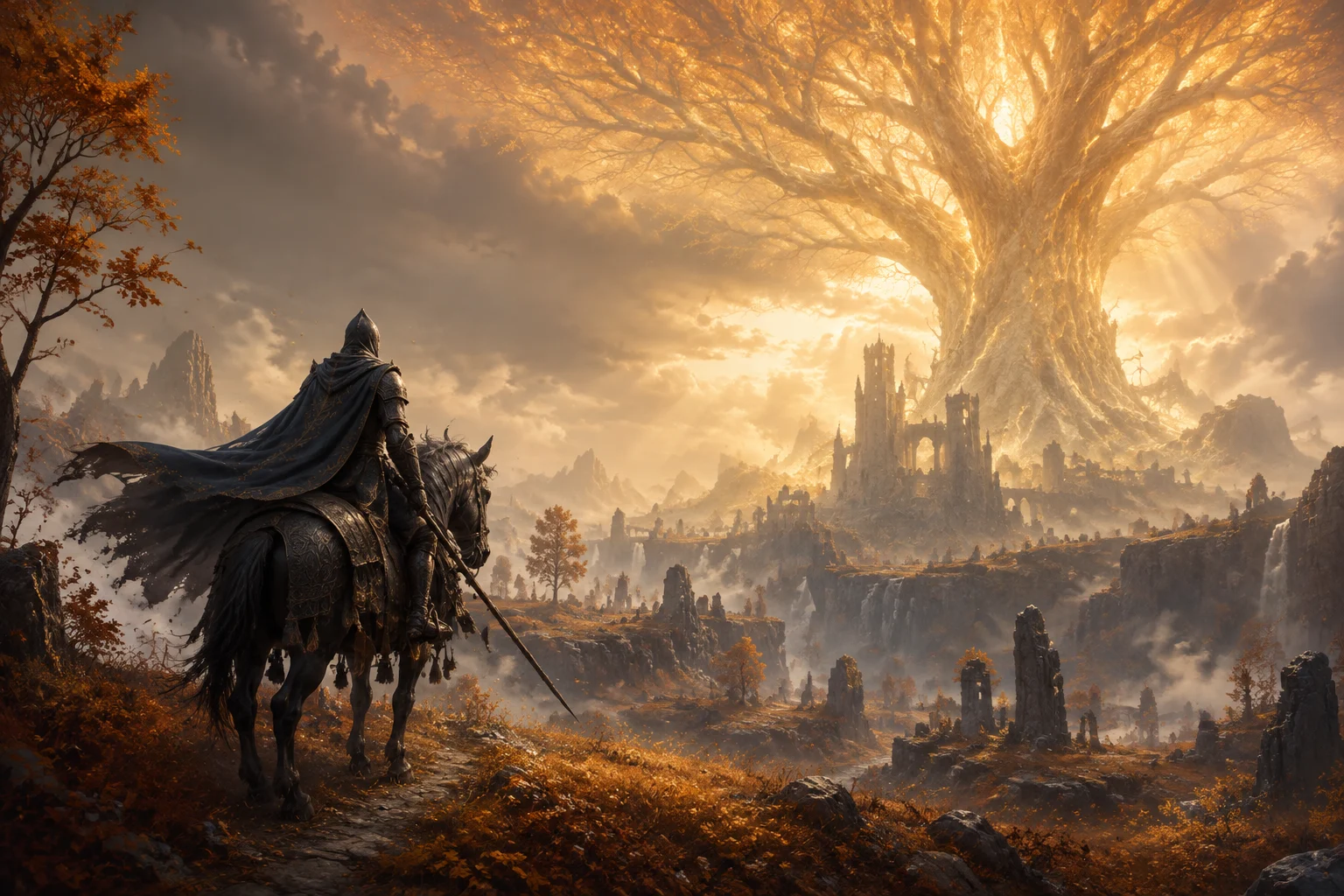
Elden Ring
Elden Ring opens FromSoftware’s dangerous design without turning it into errands. A distant silhouette can become a dungeon, a revelation or a mistake you remember all week. Build variety and generous escape routes make the challenge yours to negotiate. The Lands Between reward curiosity with awe.
The Legend of Zelda: Breath of the Wild
Breath of the Wild replaces locked solutions with consistent rules. Fire spreads, metal conducts, wind carries and mountains invite climbing. The result is an open world where the player authors the route and often the joke. It made curiosity - not map completion - the central progression system again.
Super Mario Bros.
World 1-1 teaches movement, danger, secrets and power without a paragraph. That clarity helped define home-console play, but the game endures because running and jumping still feel joyful. Every platformer since has argued with Mario’s momentum, camera and impeccable first lesson.
Tetris
Tetris has no story, progression tree or ending - only a perfect tension between order and the mistake you left five pieces ago. It is instantly understood, endlessly demanding and at home on almost every machine ever called a gaming device. If one game must represent play as a pure, durable idea, this is it.
# 25 Games Every Gamer Should Play at Least Once
No list can define the medium, and “essential” should never mean homework. These are invitations: games that changed design language, perfected a genre, created a world worth inhabiting or produced a feeling competitors still chase. We favored variety over franchise repetition and experiences that remain playable, fascinating or historically illuminating today.
Start here by mood
- **One evening:** Journey, Portal 2, Tetris
- **A world to inhabit:** Red Dead Redemption 2, Minecraft, Breath of the Wild
- **A demanding adventure:** Elden Ring, Dark Souls, Super Metroid
- **A story with consequences:** Baldur’s Gate 3, Mass Effect 2, The Last of Us
- **A history lesson that still moves:** Super Mario Bros., Doom, Street Fighter II
- 25
Journey
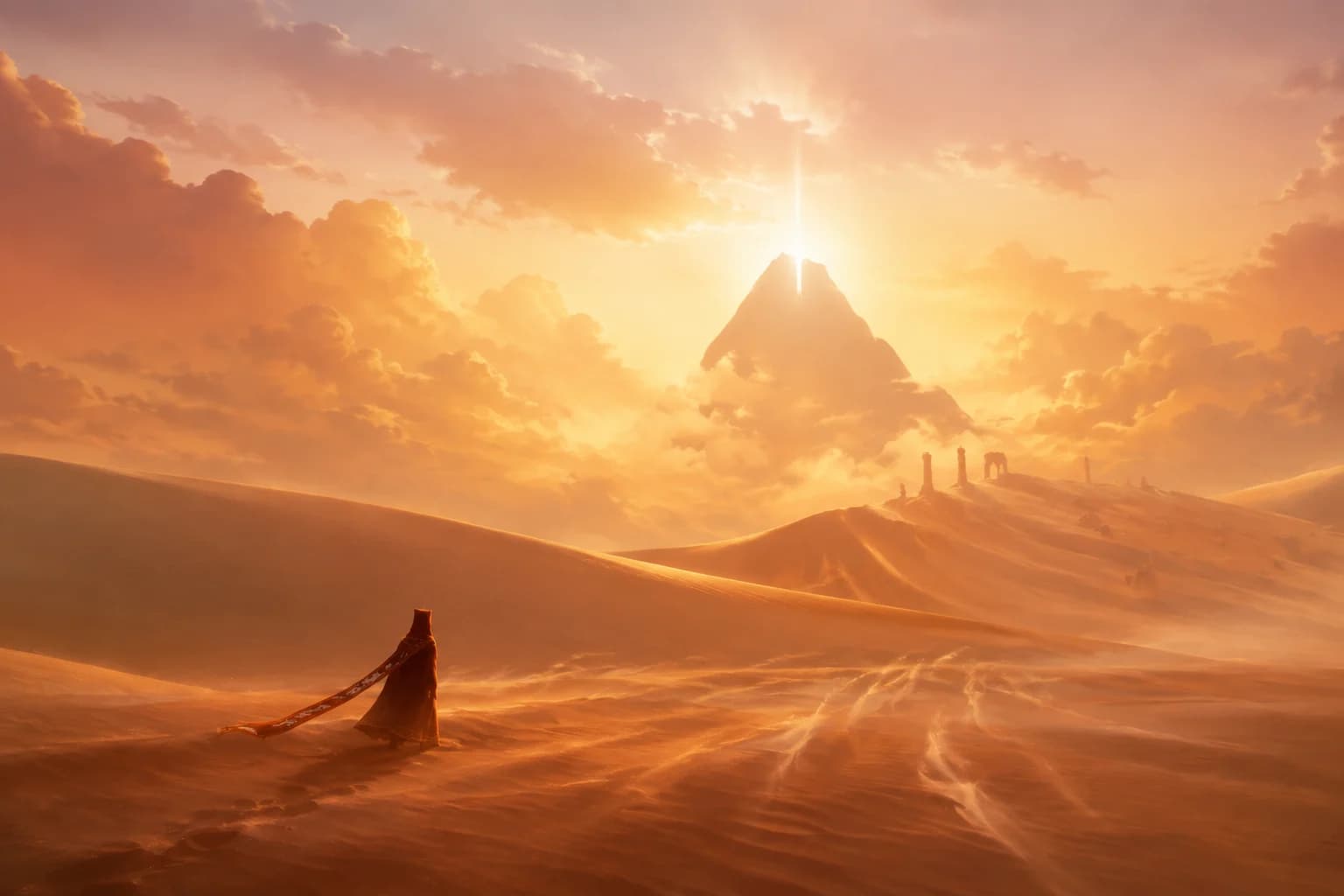
Journey strips away dialogue, inventories and exposition until movement itself becomes the story. Its anonymous online companionship can turn a stranger into a trusted partner without a single sentence. Short, beautiful and generous, it is the cleanest rebuttal to the idea that games need complexity to carry emotion.
- 24
The Sims 2
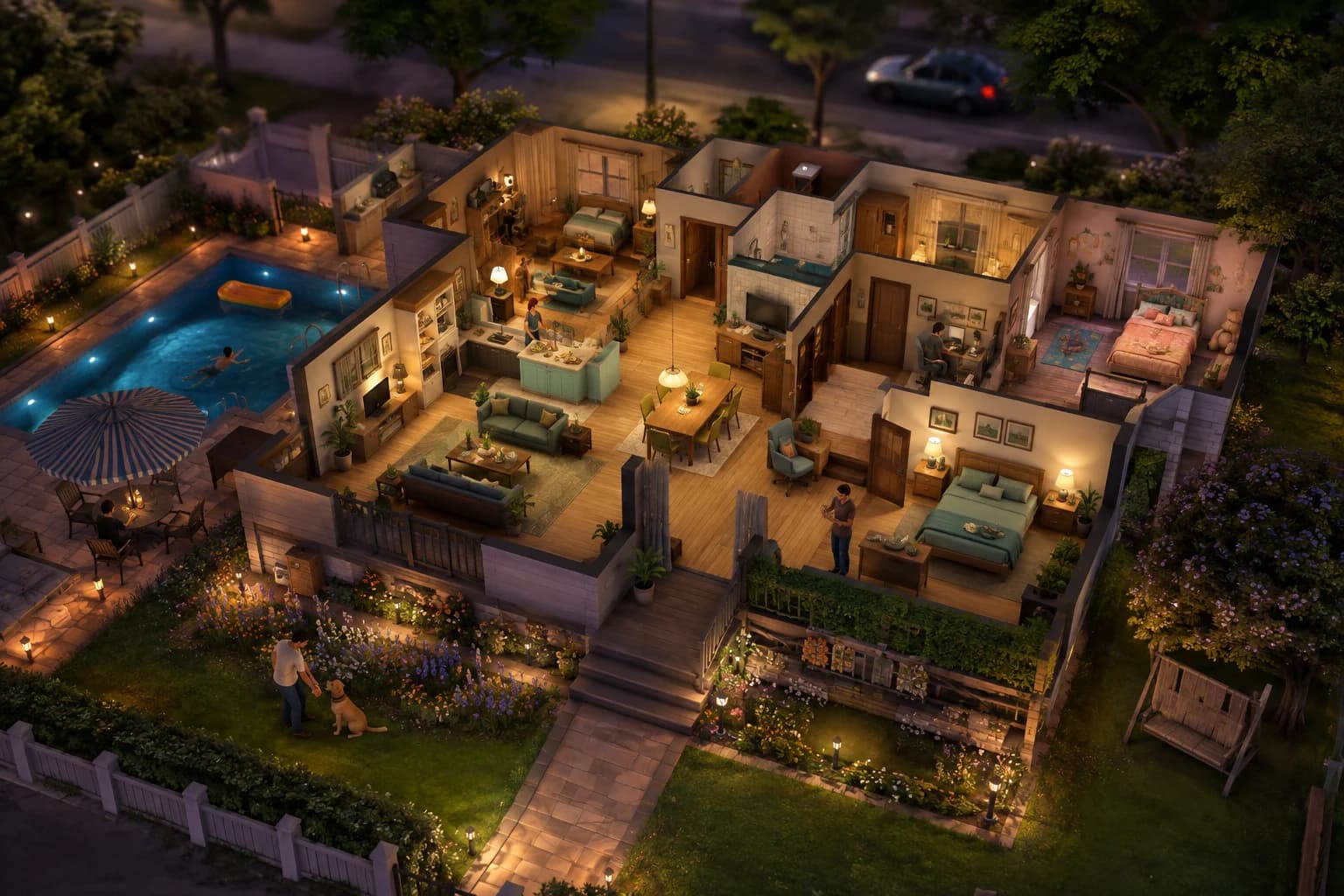
The Sims 2 gave its little people memory, aspiration and just enough autonomy to ruin your plan. Beneath the dollhouse appeal is a brilliant storytelling system: desire collides with architecture, personality and player interference. It helped make simulation personal, funny and legible to an audience far beyond traditional gaming circles.
- 23
Fortnite
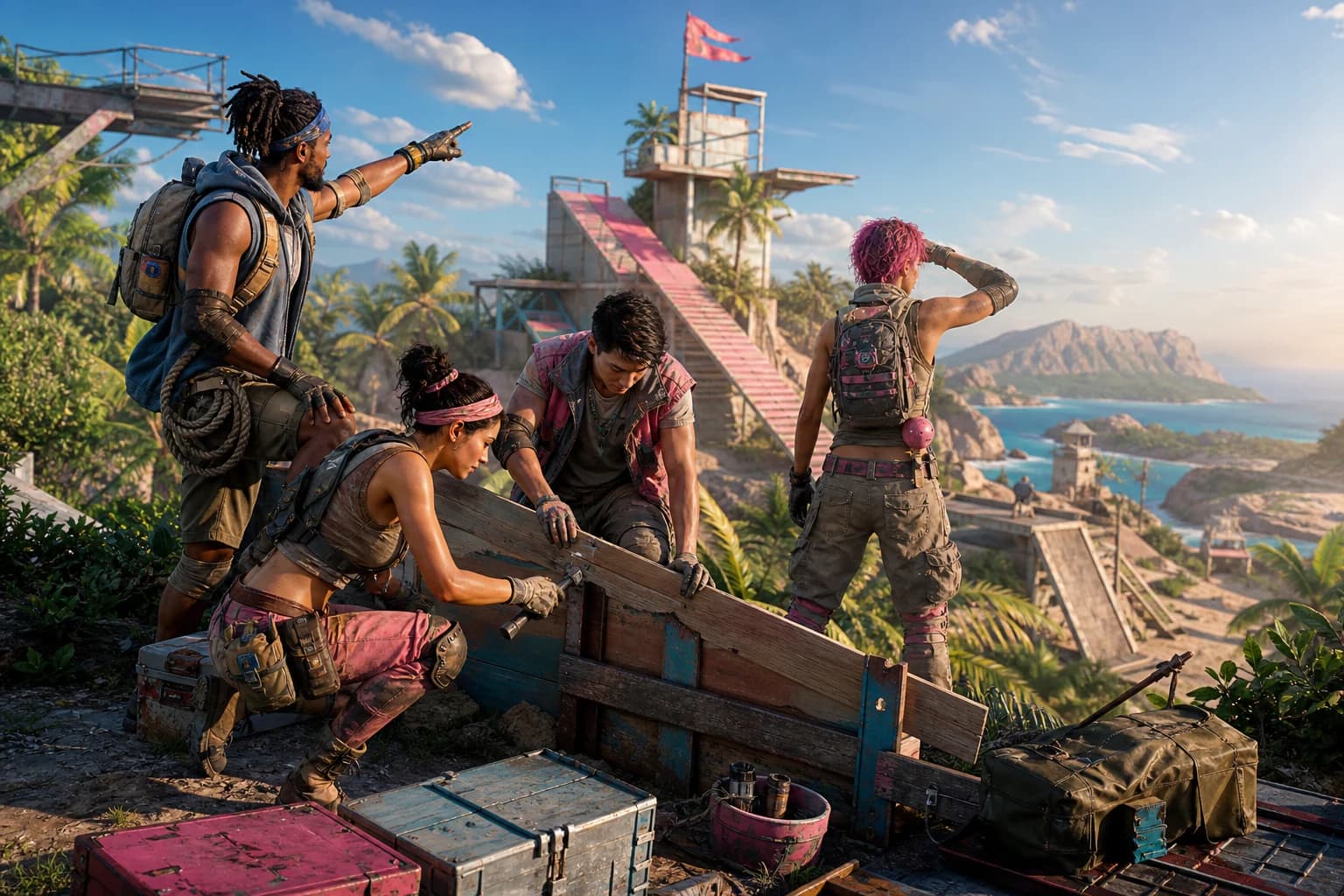
Fortnite is a battle royale, a concert venue, a creator toolkit and a generational meeting place. Its constant reinvention makes it historically messy but culturally unavoidable. Play a few modes with friends and you will understand how games became persistent spaces rather than products that simply end.
- 22
Resident Evil 4
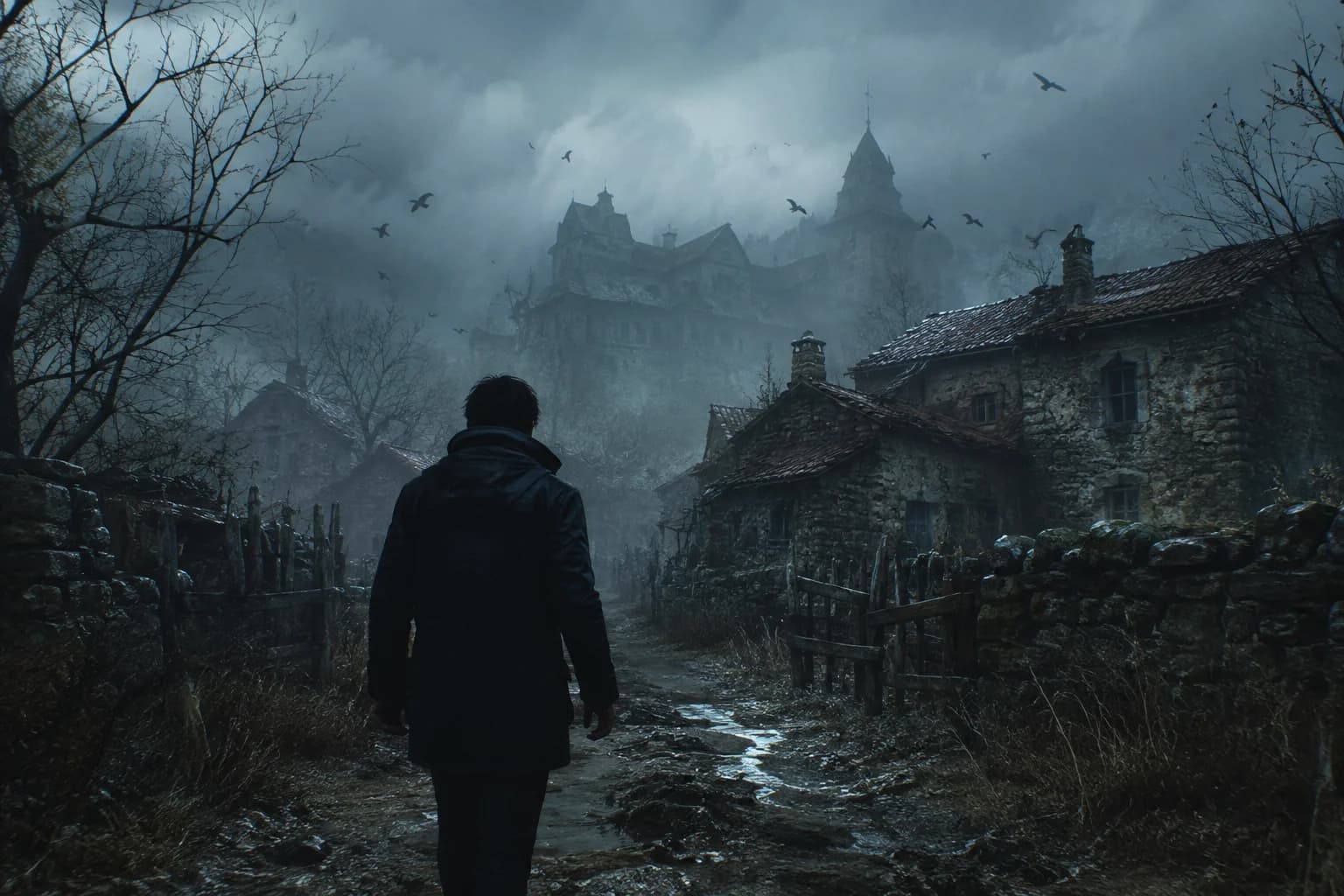
Resident Evil 4 taught a generation how an over-the-shoulder action game should frame threat, reward precision and escalate spectacle. The original exposes the blueprint; the remake brilliantly modernizes it. Either path delivers pressure, camp and one of gaming’s most influential camera shifts.
- 21
Portal 2
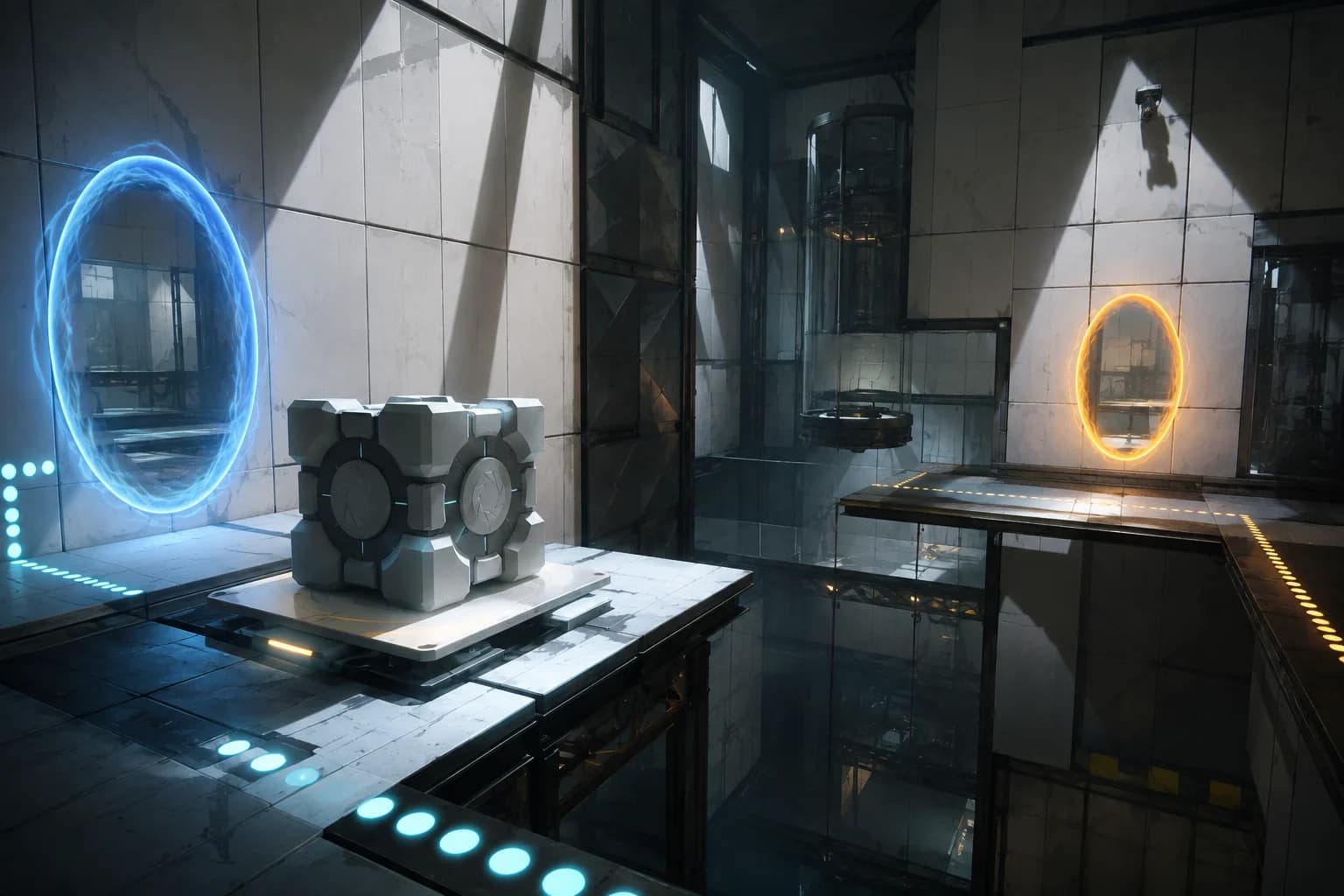
Portal 2 introduces an impossible rule, lets you feel clever for learning it, then turns the room inside out. Valve pairs immaculate puzzle teaching with comic timing and environmental storytelling that never clog the experiment. Its separate co-op campaign is also one of the sharpest two-player designs ever built.
- 20
Metal Gear Solid 3: Snake Eater
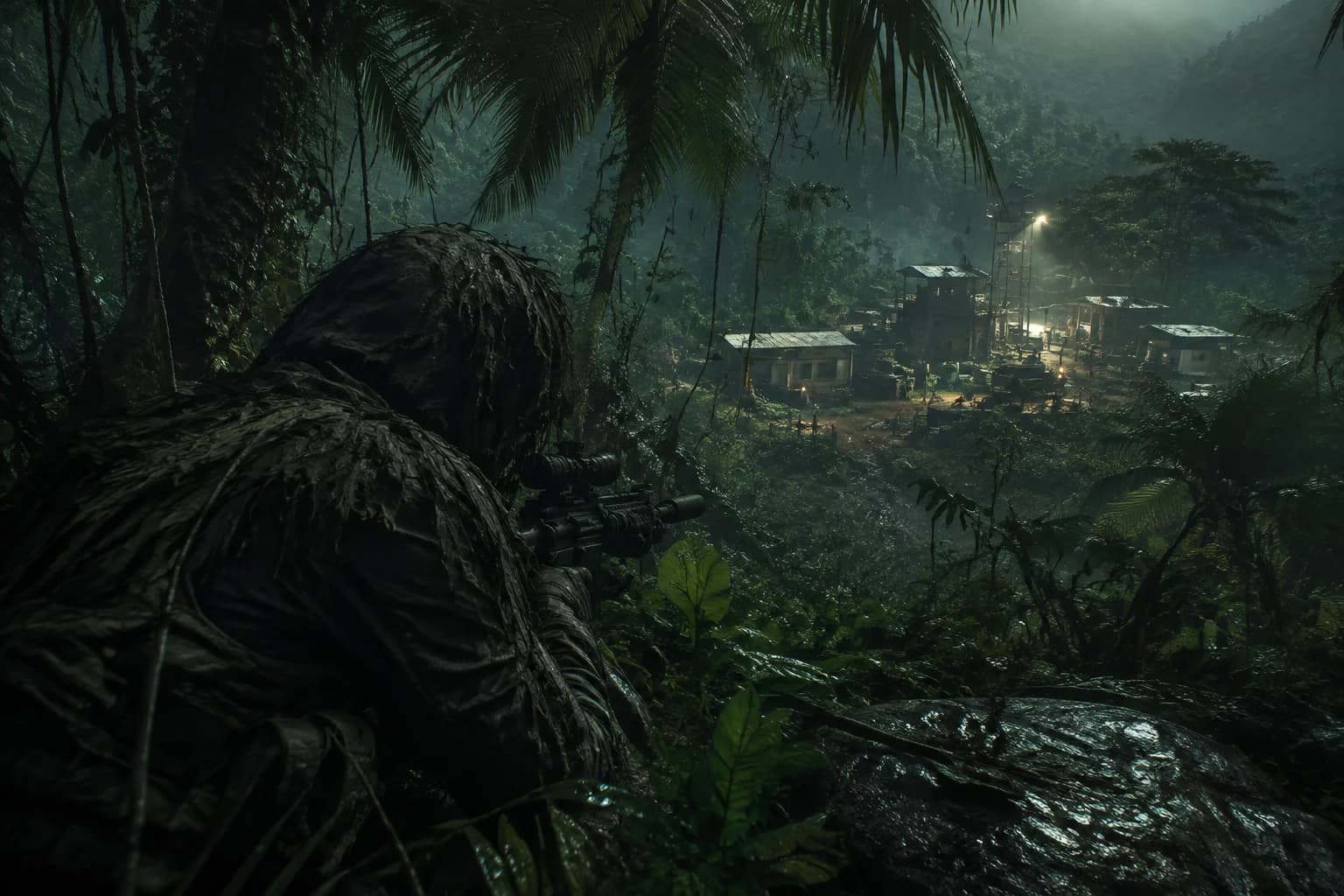
Snake Eater is a Cold War spy tragedy constantly interrupted by brilliant toy-box logic. Camouflage, stamina, wildlife and improvised medicine make survival tactile; Hideo Kojima’s direction makes it operatic. Few games swing so confidently between slapstick systems and genuine heartbreak.
- 19
Doom
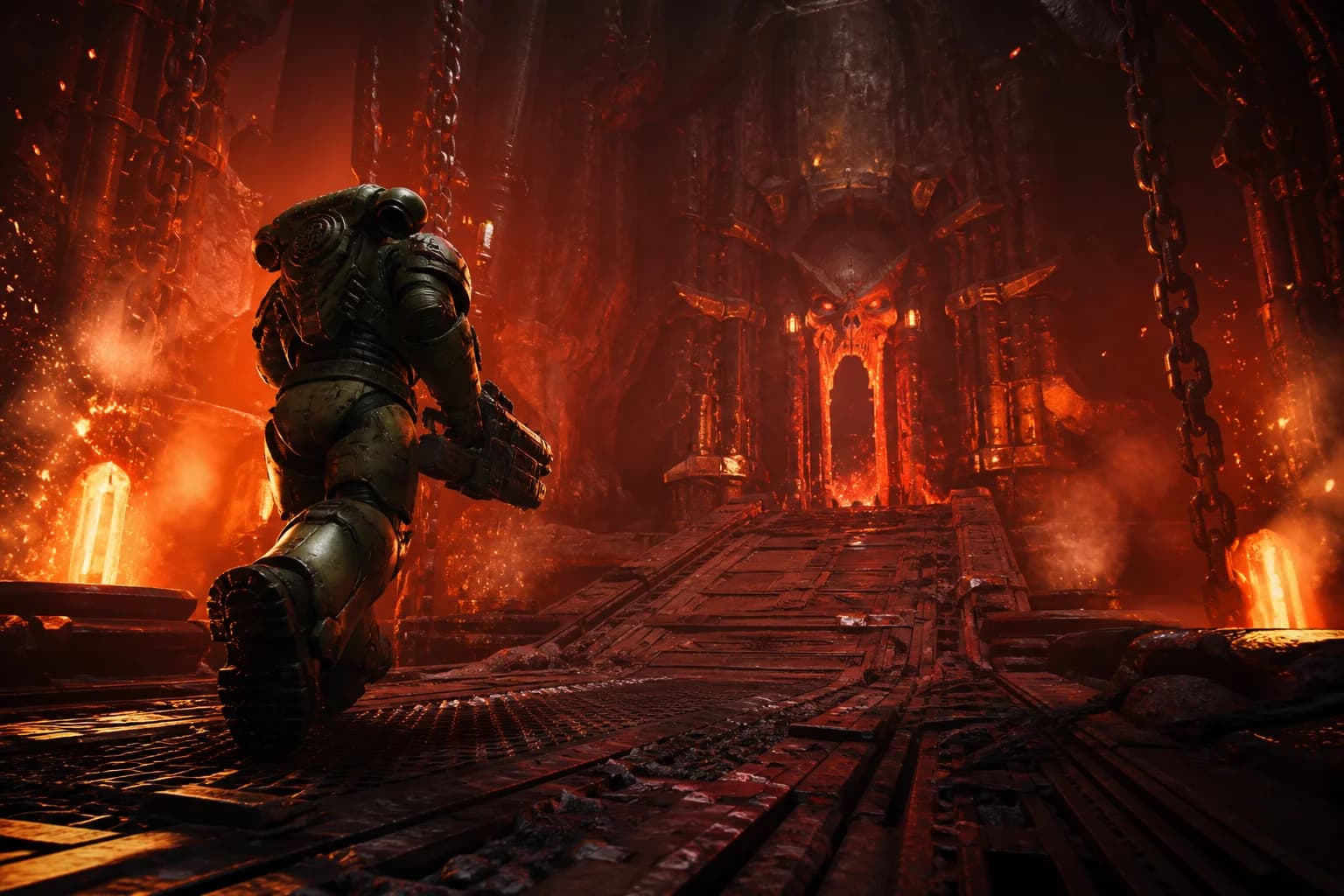
Doom remains startlingly immediate: move, read the arena, choose the threat, fire. Its mod scene and endlessly reusable level design turned a landmark into a living platform. Play the original long enough to feel how many modern shooters still speak its language.
- 18
Final Fantasy VII
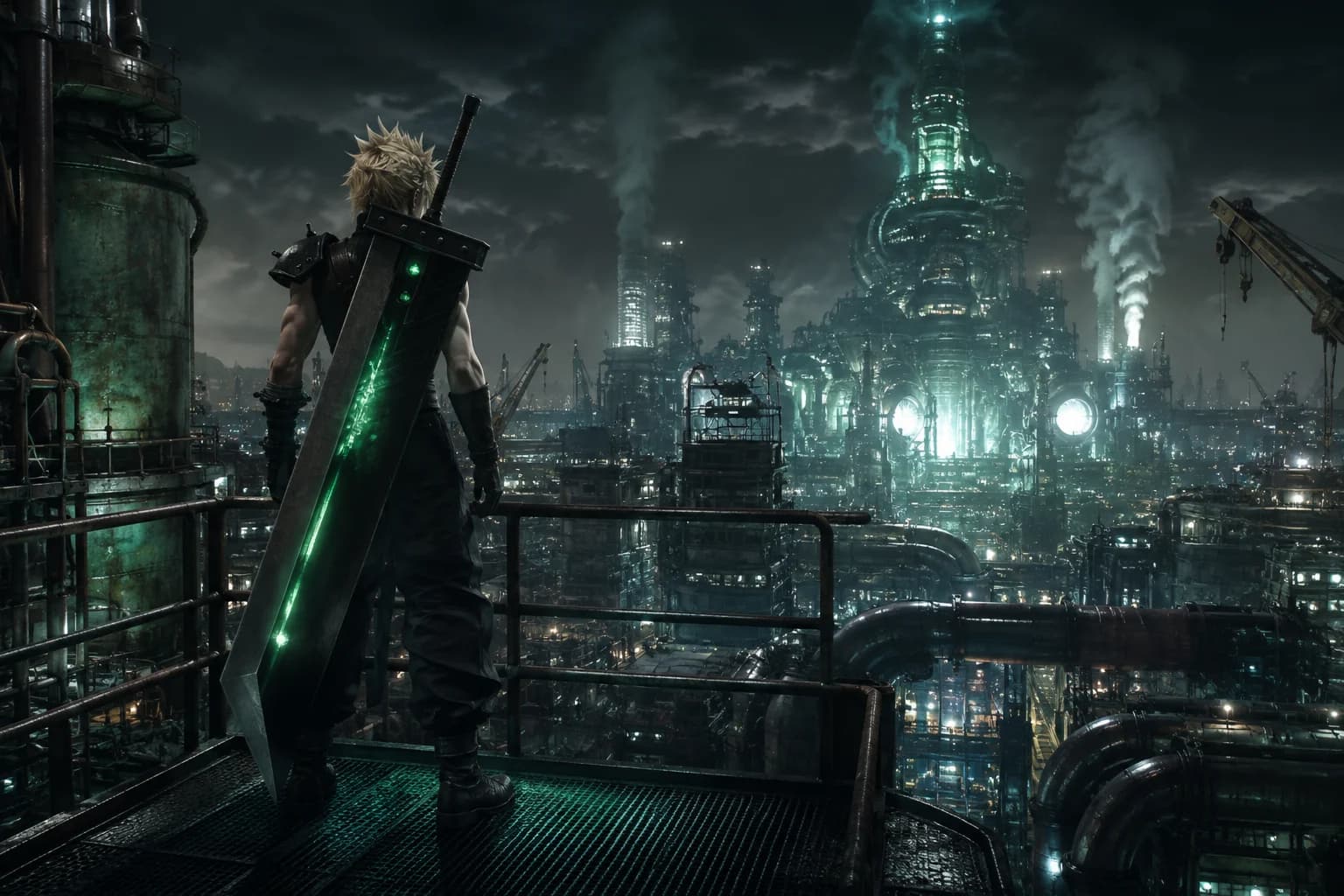
Final Fantasy VII took intimate grief, ecological anger and identity crisis onto a blockbuster stage. Its prerendered worlds have aged into a distinct style, while materia remains a flexible, approachable progression system. The remake project is a fascinating companion, but the original is still the complete historical shock.
- 17
Shadow of the Colossus
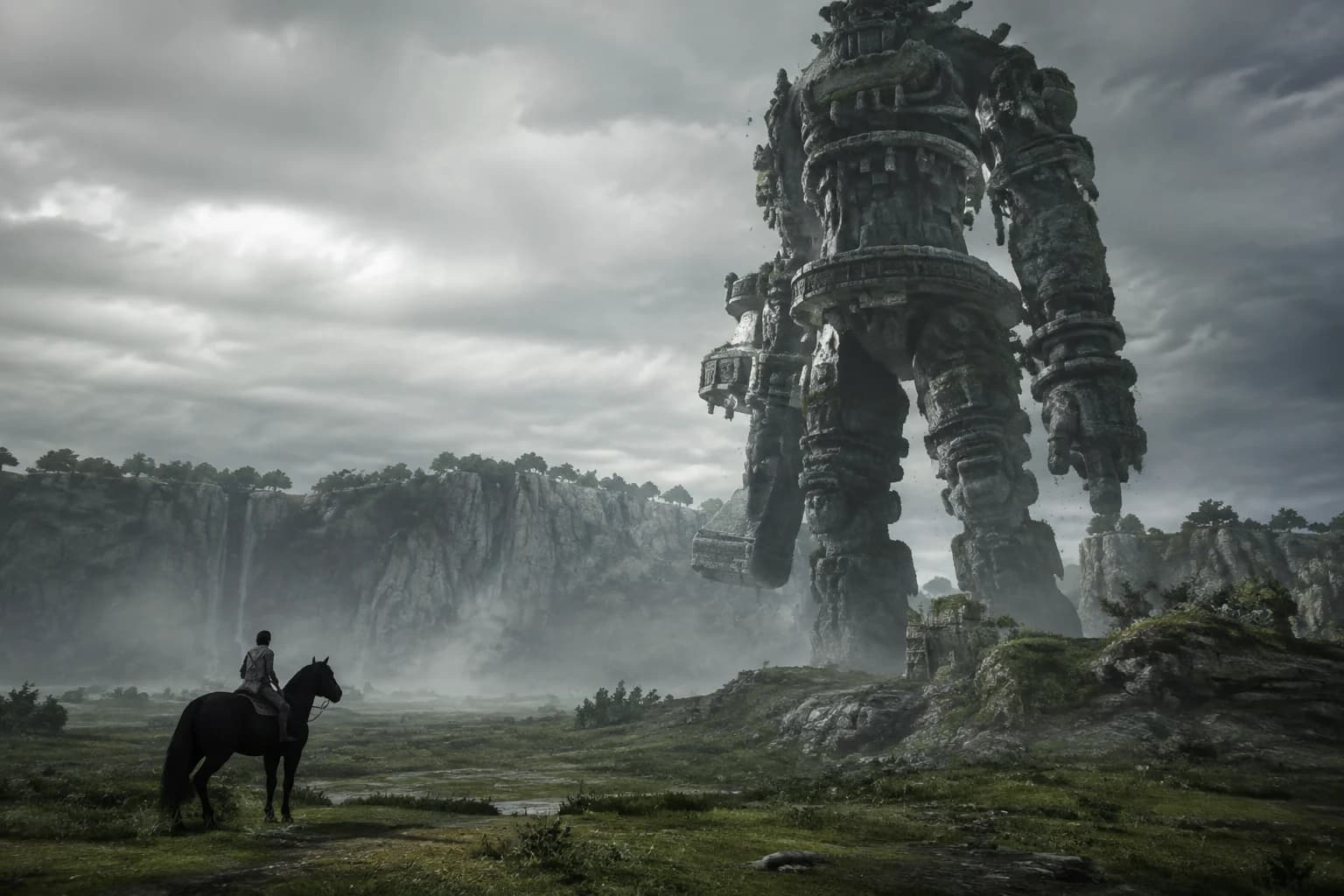
Sixteen giants, a horse and an empty forbidden land are enough. Each colossus is level, puzzle and living tragedy, and every victory makes the quest feel less righteous. Few games use emptiness so confidently or make a boss’s fall feel so heavy.
- 16
Mass Effect 2
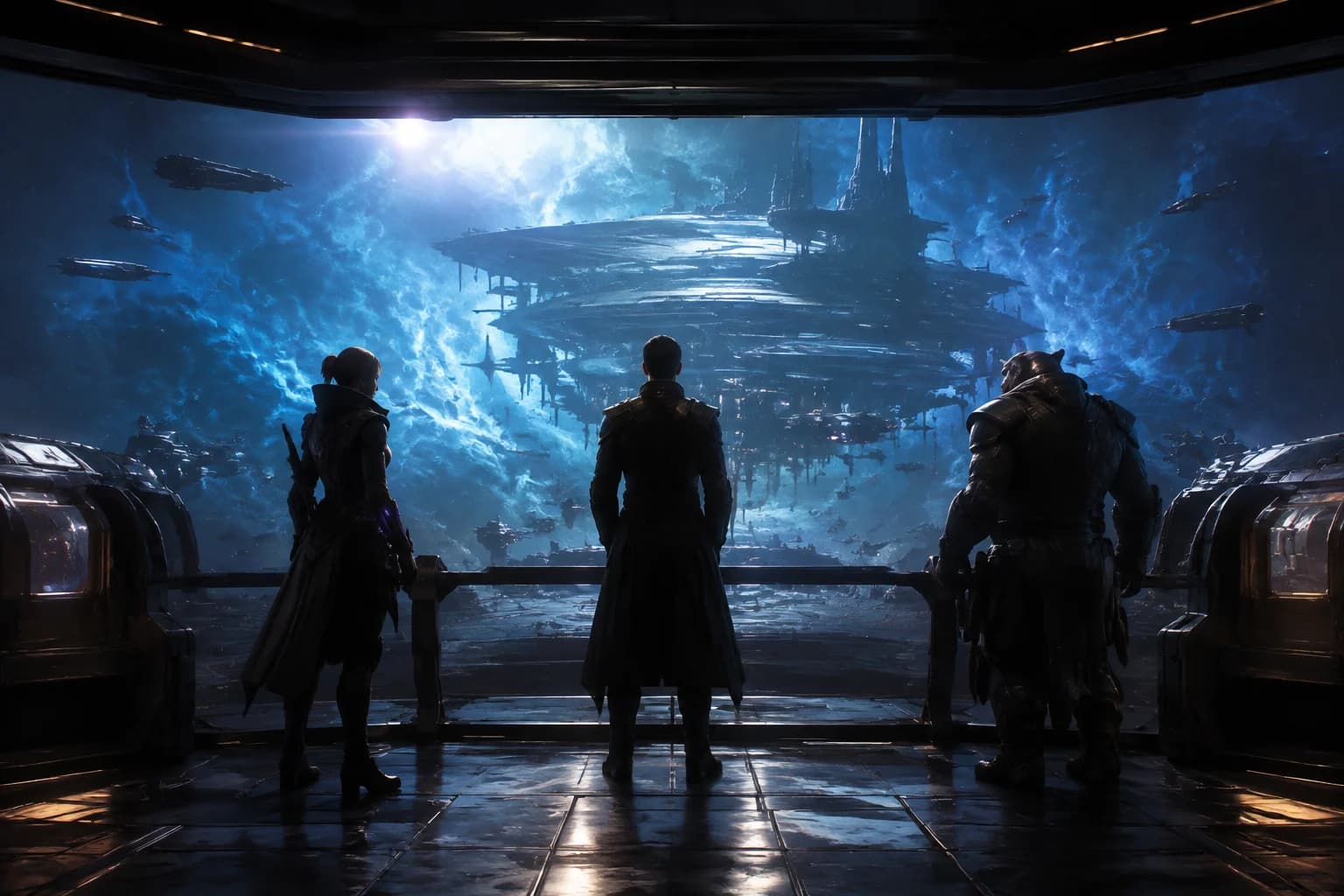
Mass Effect 2 turns party loyalty into the machinery of a suicide mission. Conversations, personal quests and combat roles all feed the finale, where neglected relationships become consequences. The broader trilogy supplies context, but this middle chapter is the purest demonstration of companions as the main event.
- 15
Street Fighter II
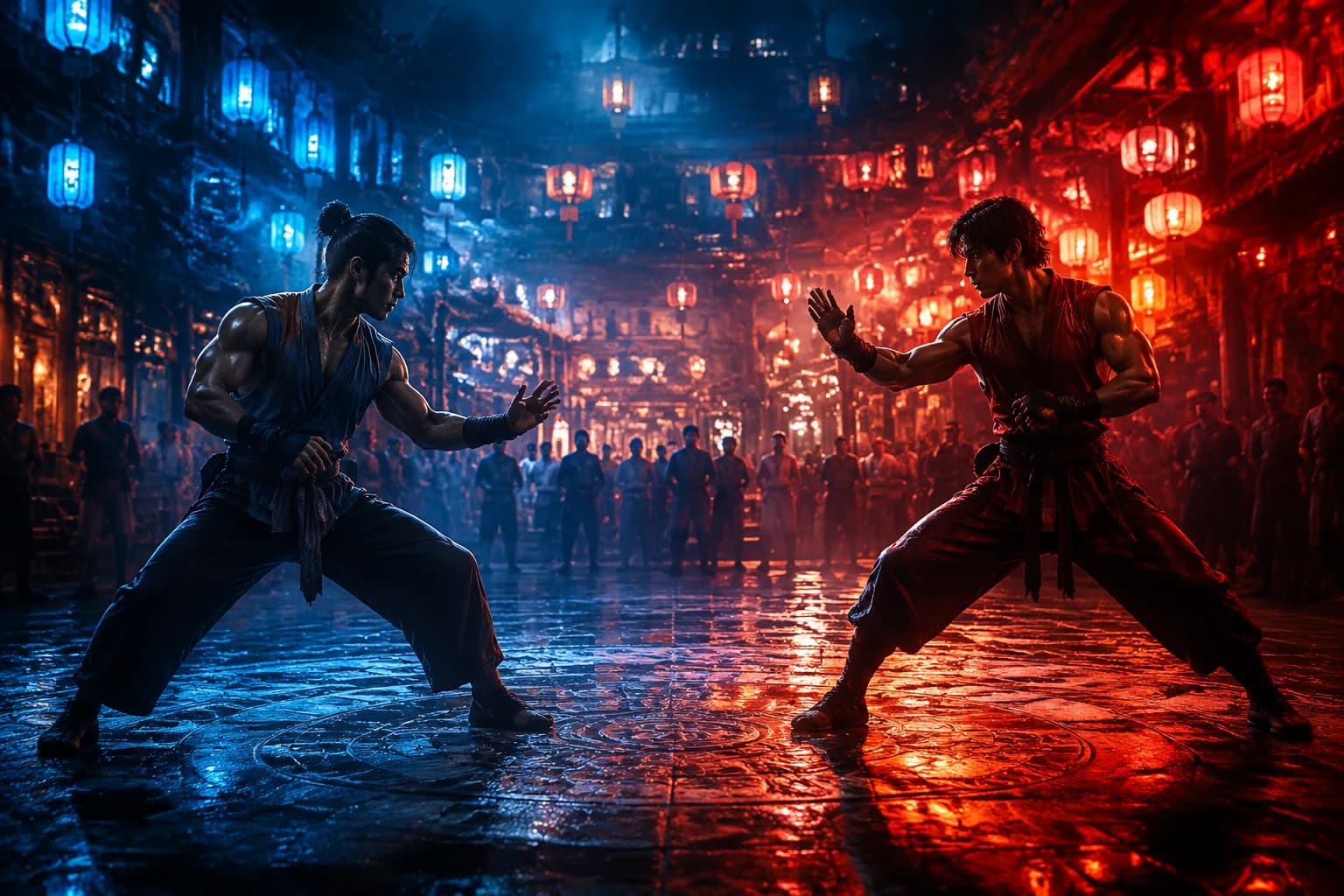
Street Fighter II made matchups, motion inputs and local rivalry global culture. Its roster teaches through silhouette and movement; its rounds turn tiny reads into drama. Modern fighters are friendlier and deeper in countless ways, but the thrill of two players, two life bars and one mistake starts here.
- 14
Minecraft
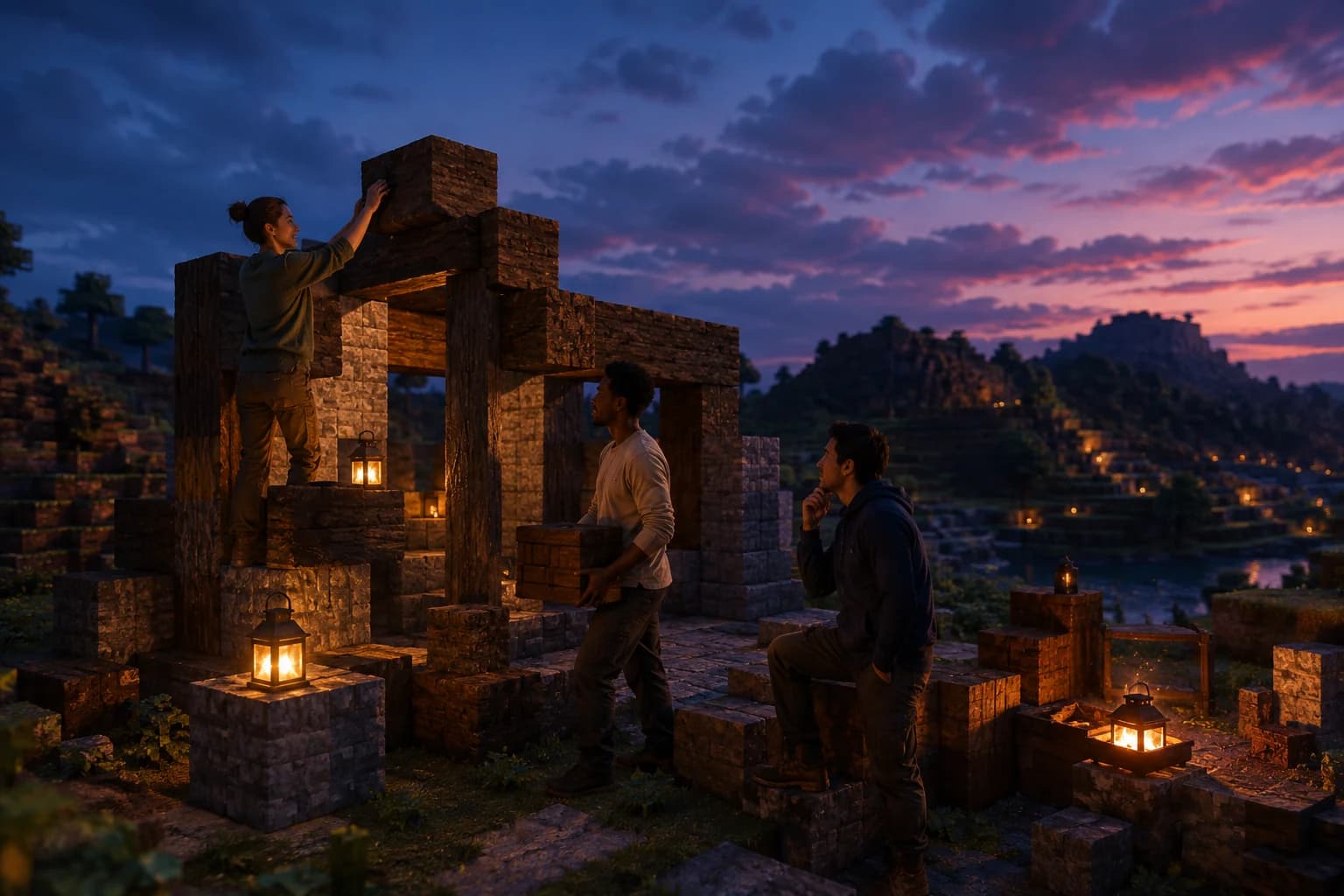
Minecraft hands you a block, a sunrise and a question: what now? That simplicity supports architecture, automation, exploration, education and childhood folklore. Its greatest achievement is ownership. A Minecraft world does not feel like a level you visited; it feels like a place whose history belongs to its players.
- 13
Half-Life 2
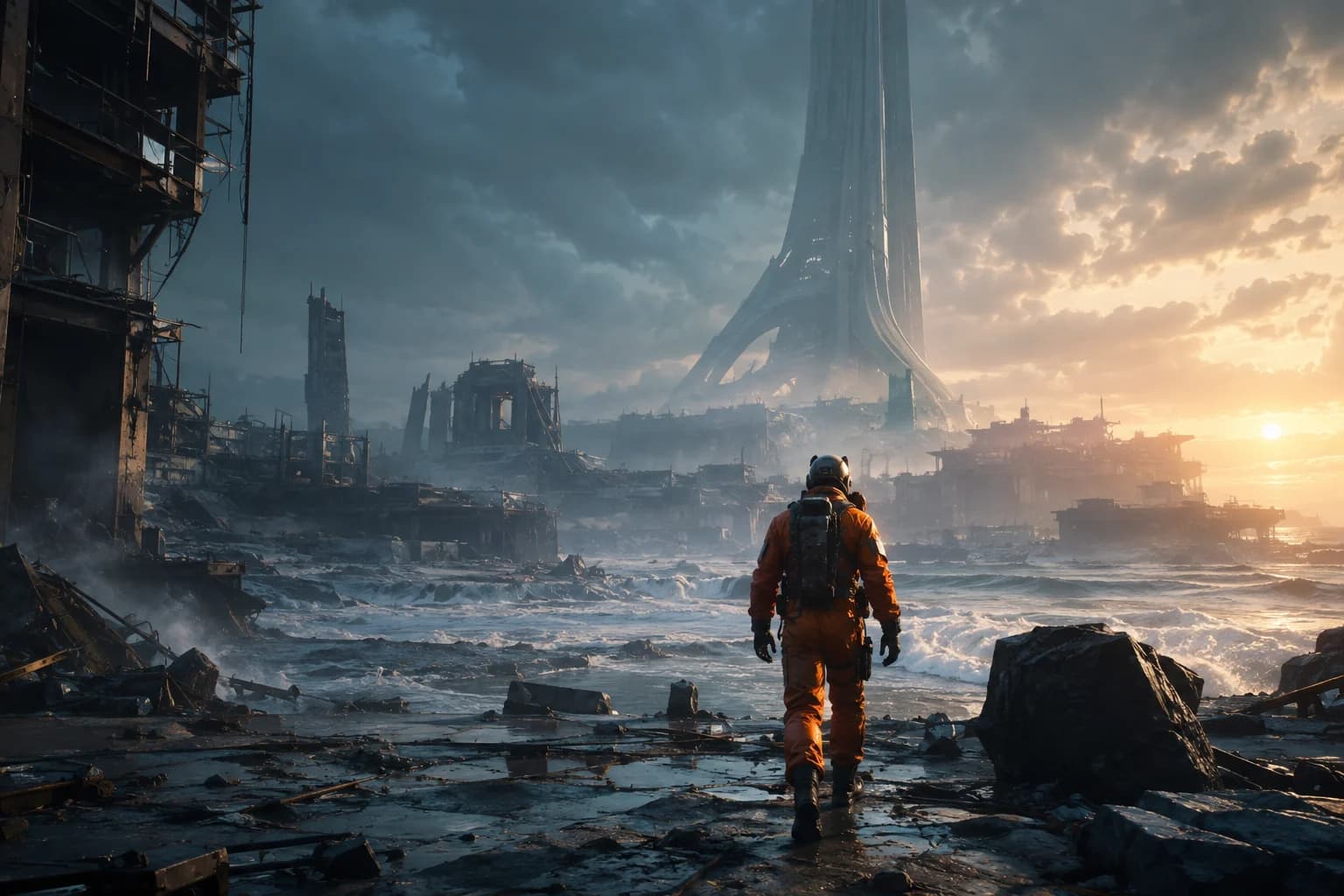
Half-Life 2 makes exposition walk beside you. City 17 explains itself through architecture, surveillance and frightened people, while the gravity gun turns physics into both weapon and punchline. Its seamless journey shaped cinematic shooters without surrendering player control.
- 12
The Last of Us
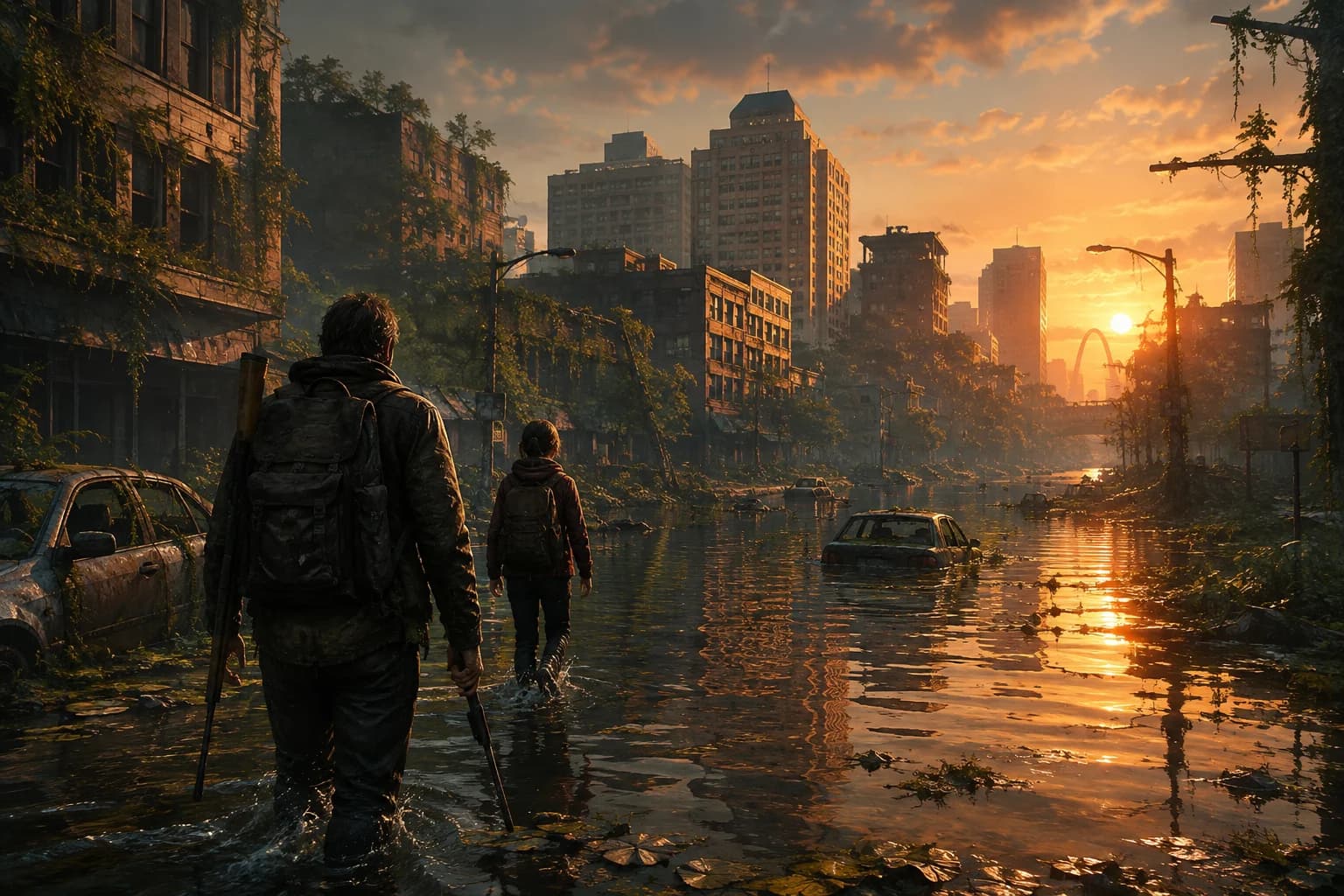
The Last of Us is remembered for Joel and Ellie, but its craft lives in the friction between care and violence. Quiet exploration builds attachment; desperate combat makes survival ugly. Its ending still provokes because the game earns love before asking what that love can justify.
- 11
Halo: Combat Evolved
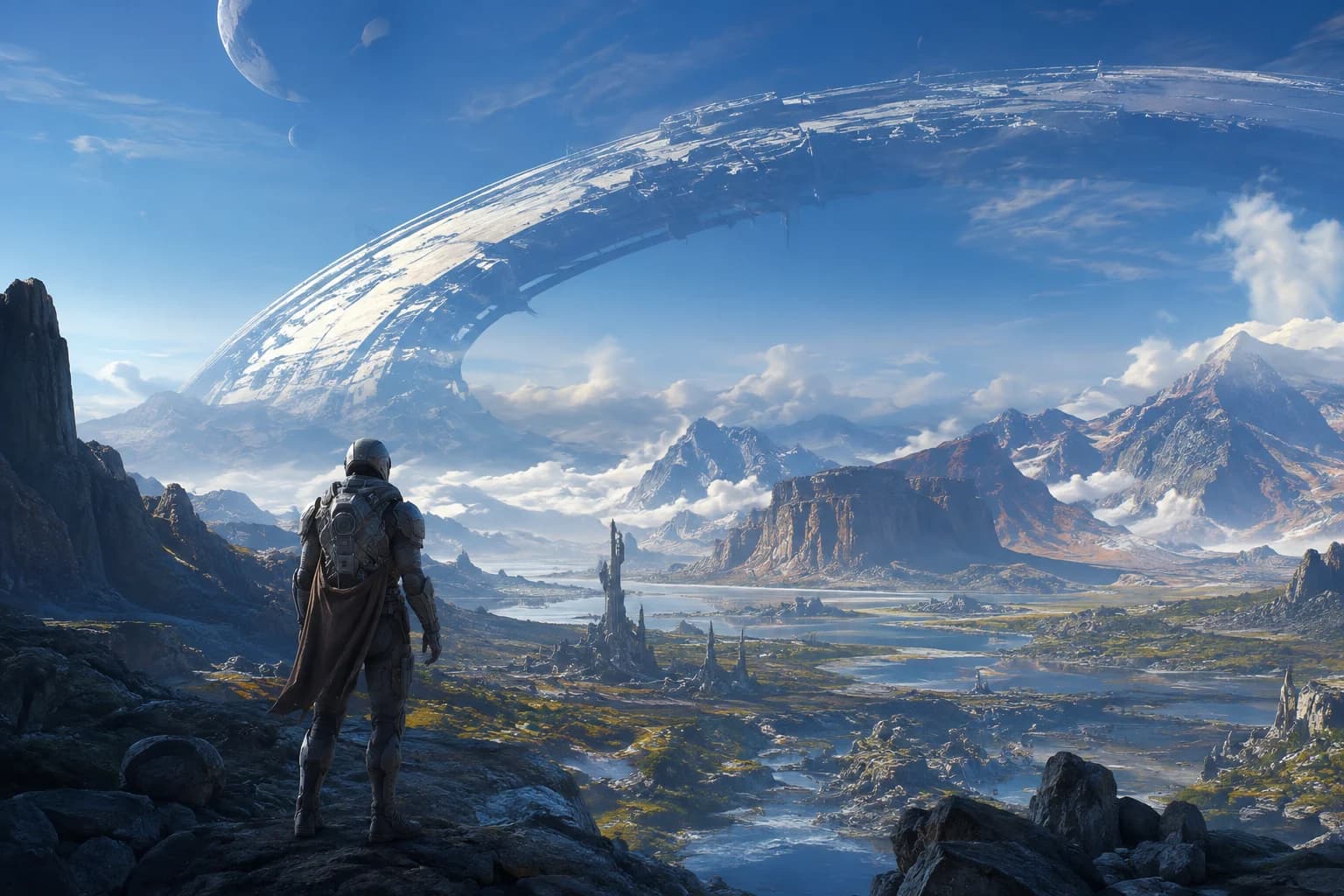
Halo made a controller feel natural for first-person combat and built encounters spacious enough to improvise. Its two-weapon limit, recharging shield, vehicles and enemy hierarchy create a combat loop that remains readable decades later. “The Silent Cartographer” is still a masterclass in possibility.
- 10
Pokémon Red/Blue/Yellow
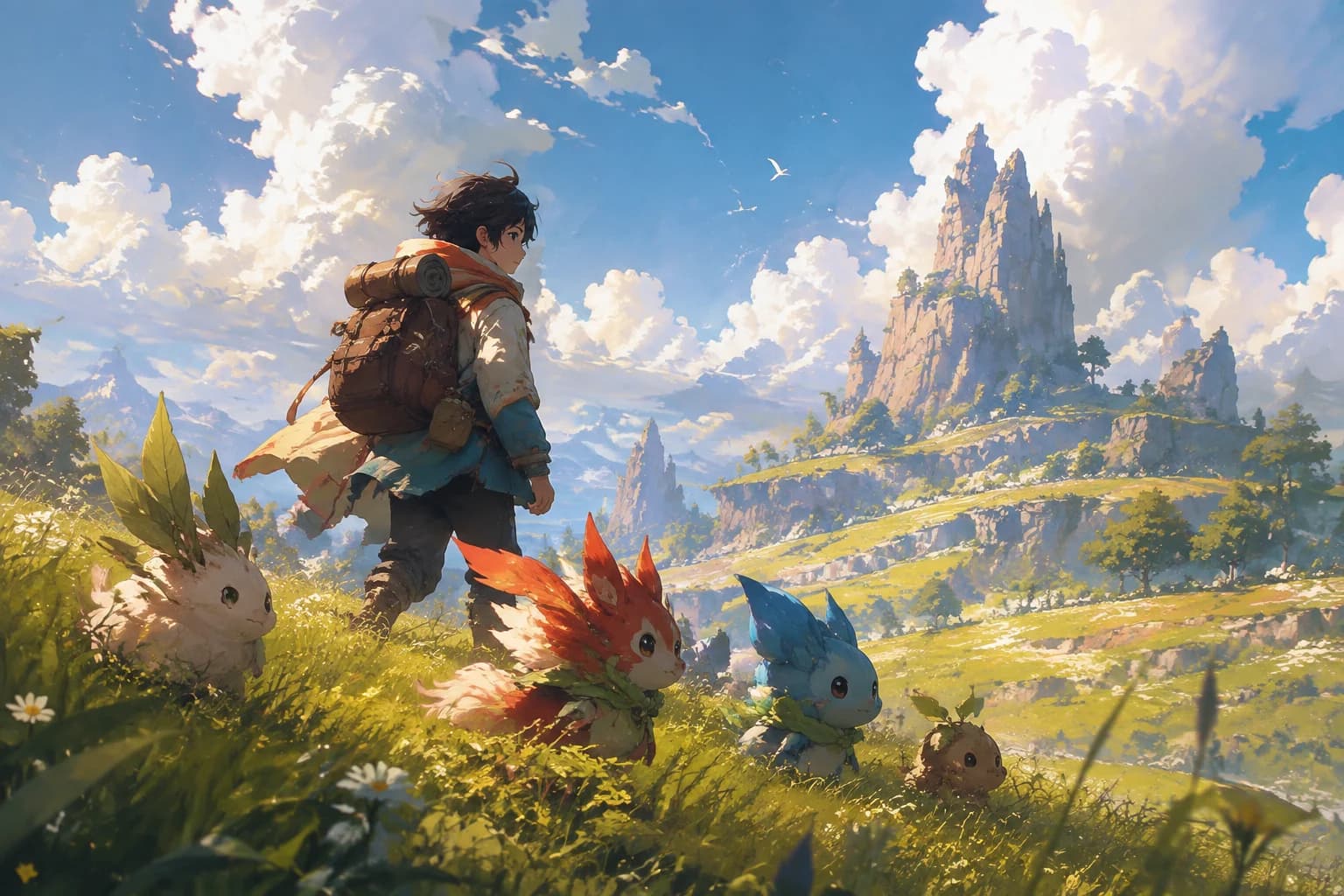
The first Pokémon games are technically rough and conceptually perfect: explore, catch, train, trade, imagine. The cable between two Game Boys turned a solitary RPG into a social ritual. Later entries add comfort and scale, but the original 151 reveal the design idea in its most concentrated form.
- 09
Dark Souls
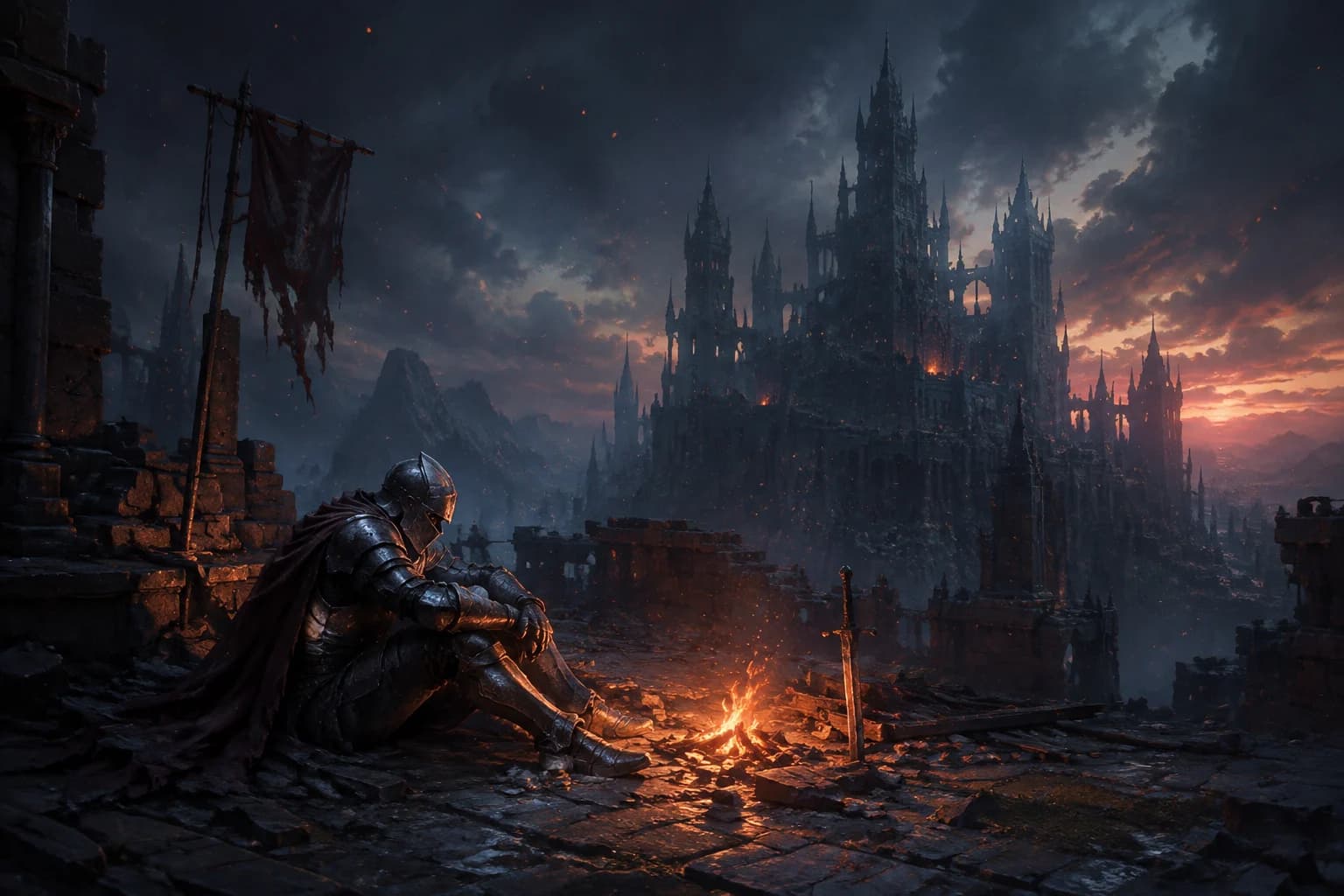
Dark Souls trusts observation more than instruction. Shortcuts fold Lordran into a mental map; enemies teach timing; failure makes lost ground meaningful. Its difficulty became a marketing cliché, but its real legacy is intimacy - the feeling that knowledge, not a stat sheet, changed you.
- 08
Grand Theft Auto V
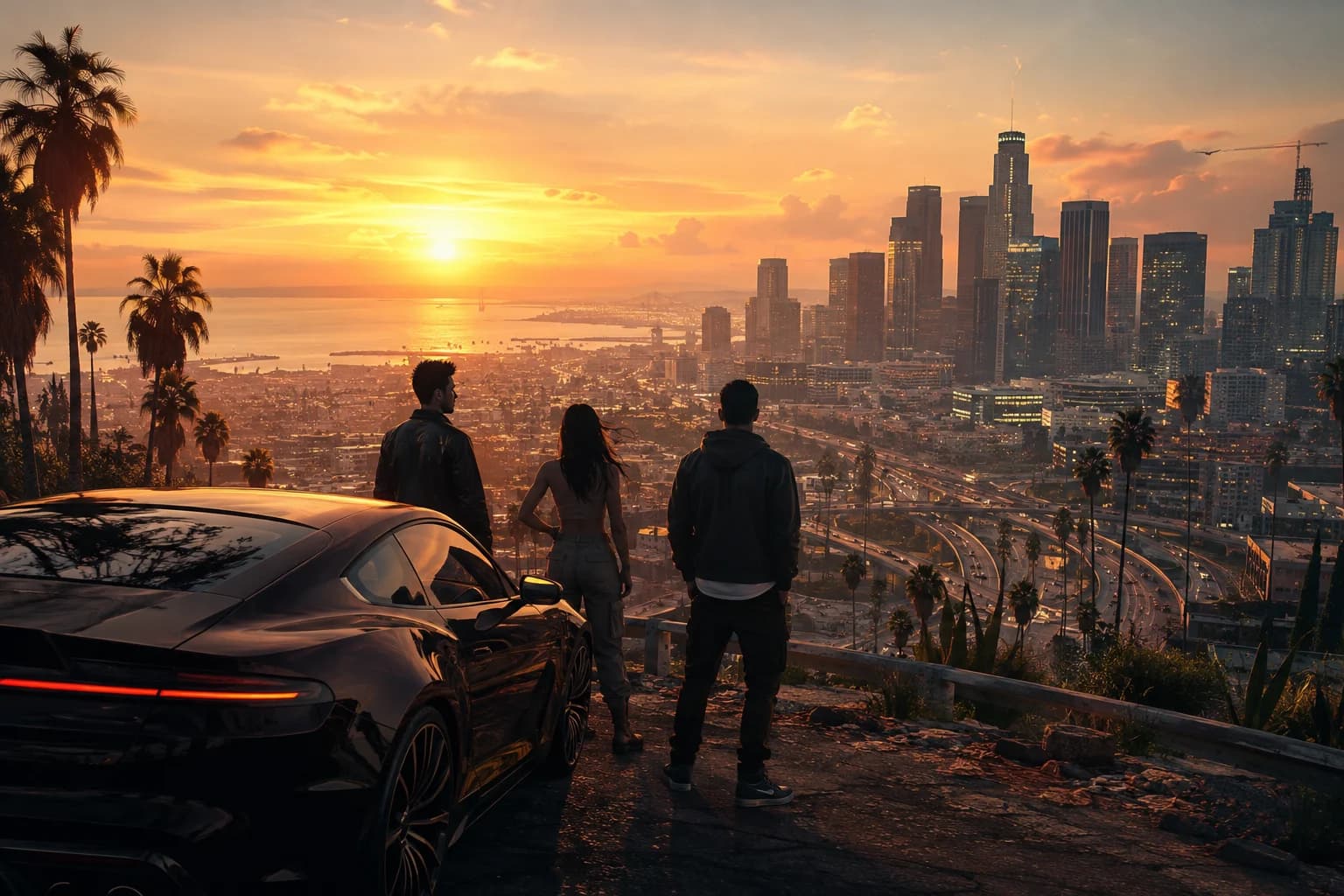
Los Santos is playground, film set and social mirror. GTA V’s three-protagonist structure lets missions cut like a heist movie, while GTA Online transformed the world into a decade-long service. Its excess is the point - and the reason its influence is impossible to ignore.
- 07
Baldur’s Gate 3
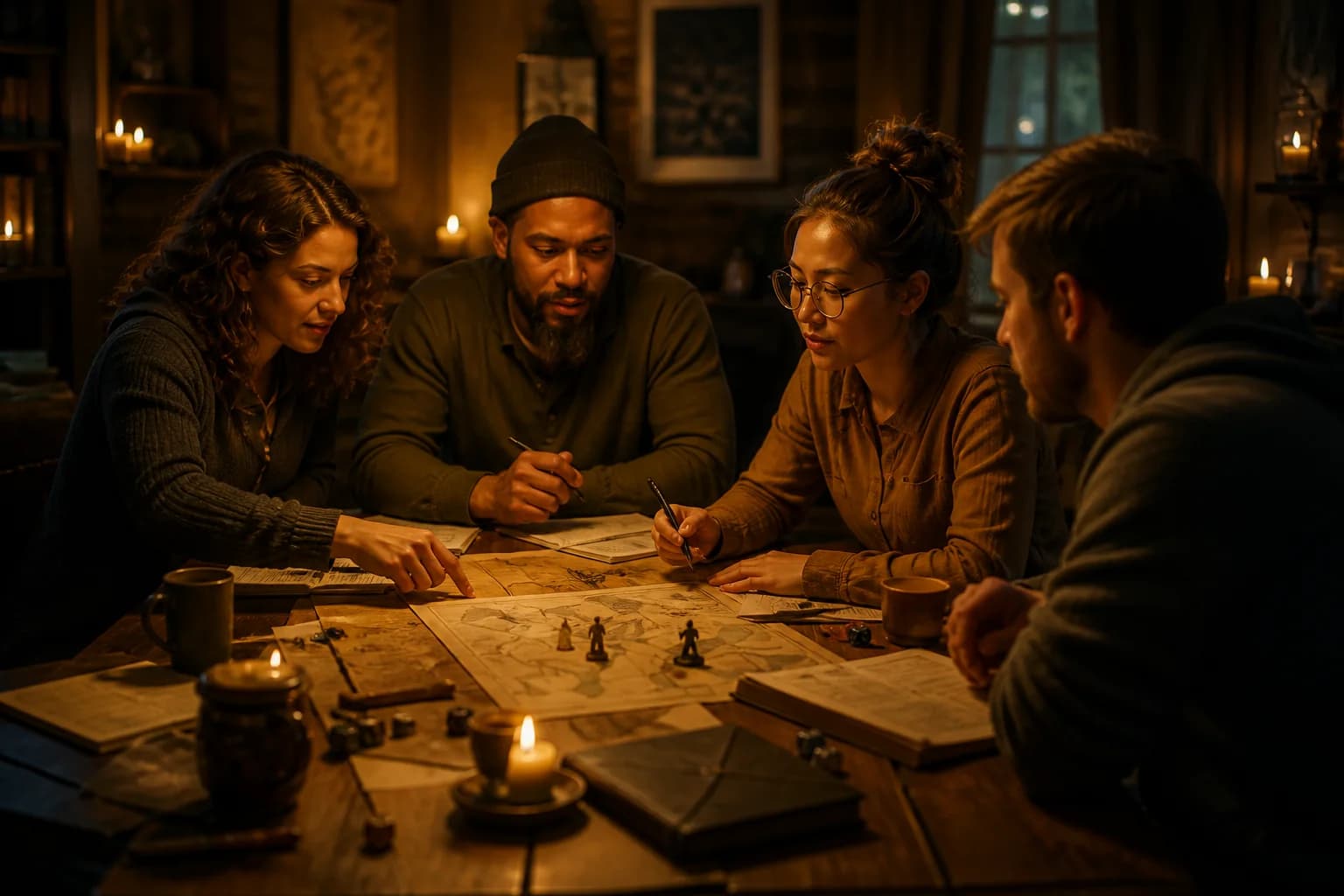
Baldur’s Gate 3 makes “I wonder if this works” a valid design philosophy. Quests bend around failure, companions carry competing desires and turn-based combat invites absurd plans. It brought dense computer role-playing to a huge audience without flattening the genre’s possibility space.
- 06
Super Metroid
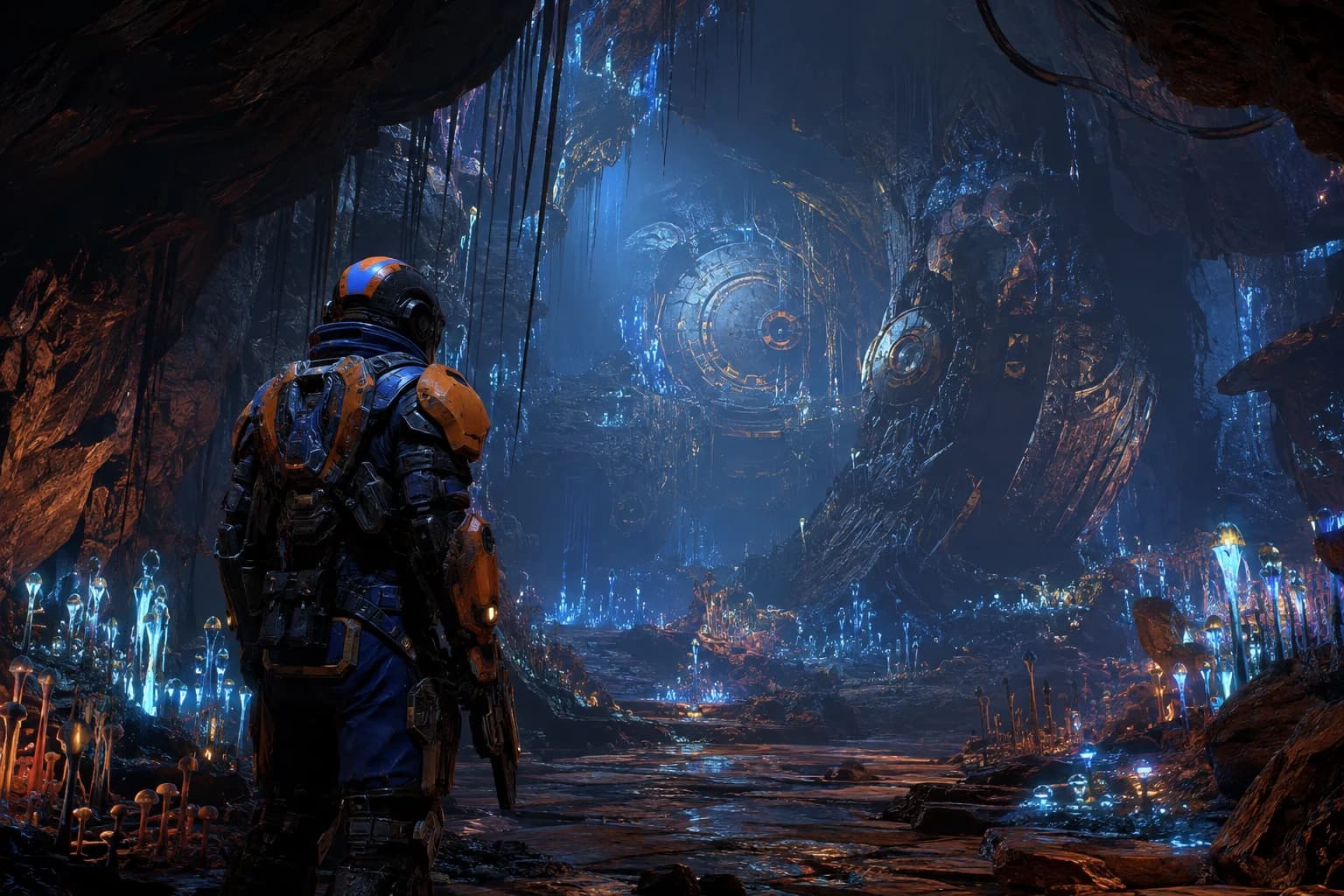
Super Metroid teaches with level shape, sound and glimpses of places you cannot yet reach. Returning with a new ability turns old obstruction into revelation. Its atmosphere and map design remain the standard behind an entire genre name, and its opening hour still wastes nothing.
- 05
Red Dead Redemption 2
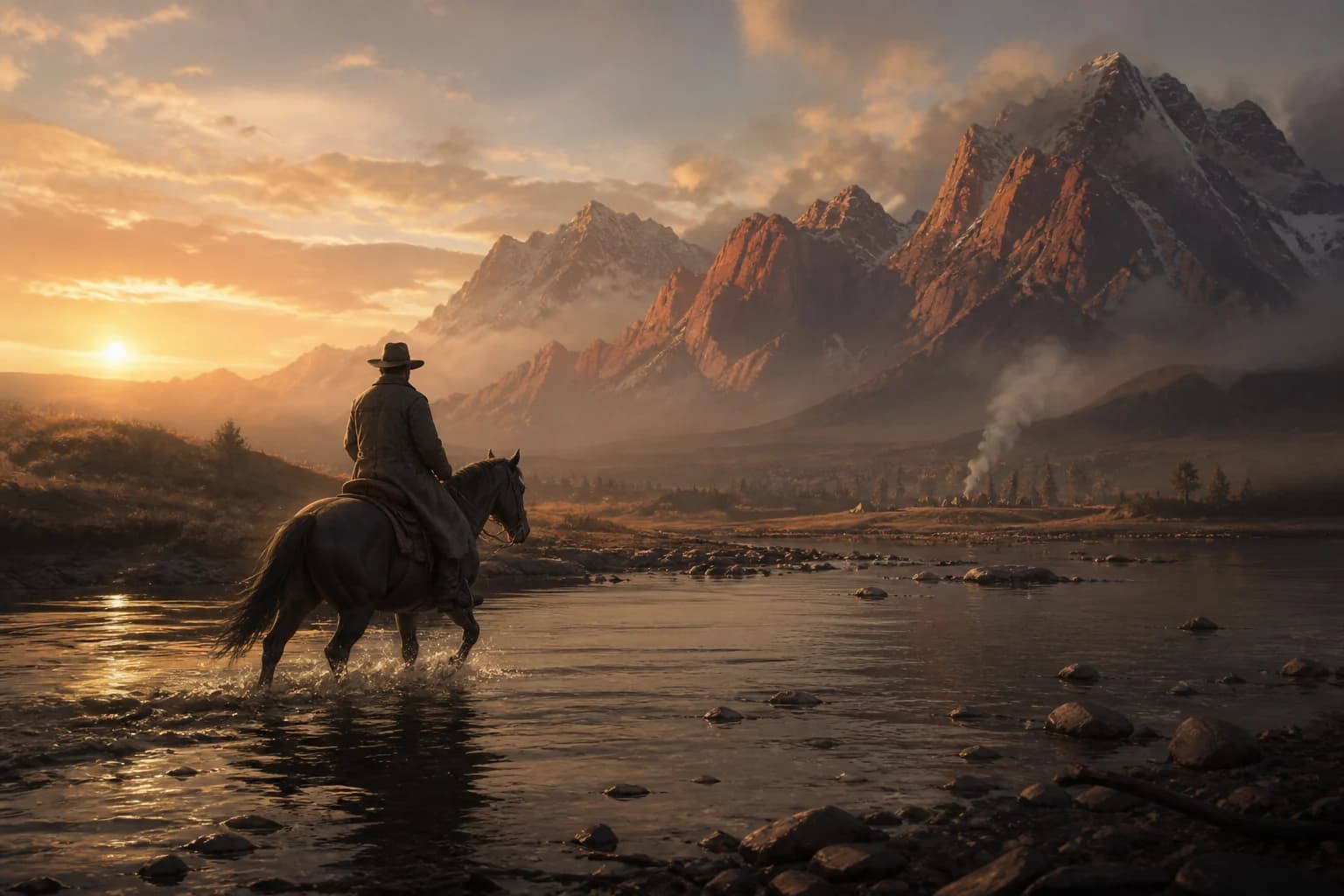
Arthur Morgan’s story works because the world gives him time to exist between missions. Camp conversations, long rides and mundane chores accumulate into belonging before history closes in. Rockstar’s simulation can feel deliberately heavy, but that weight turns an open world into a life being lost.
- 04
Elden Ring
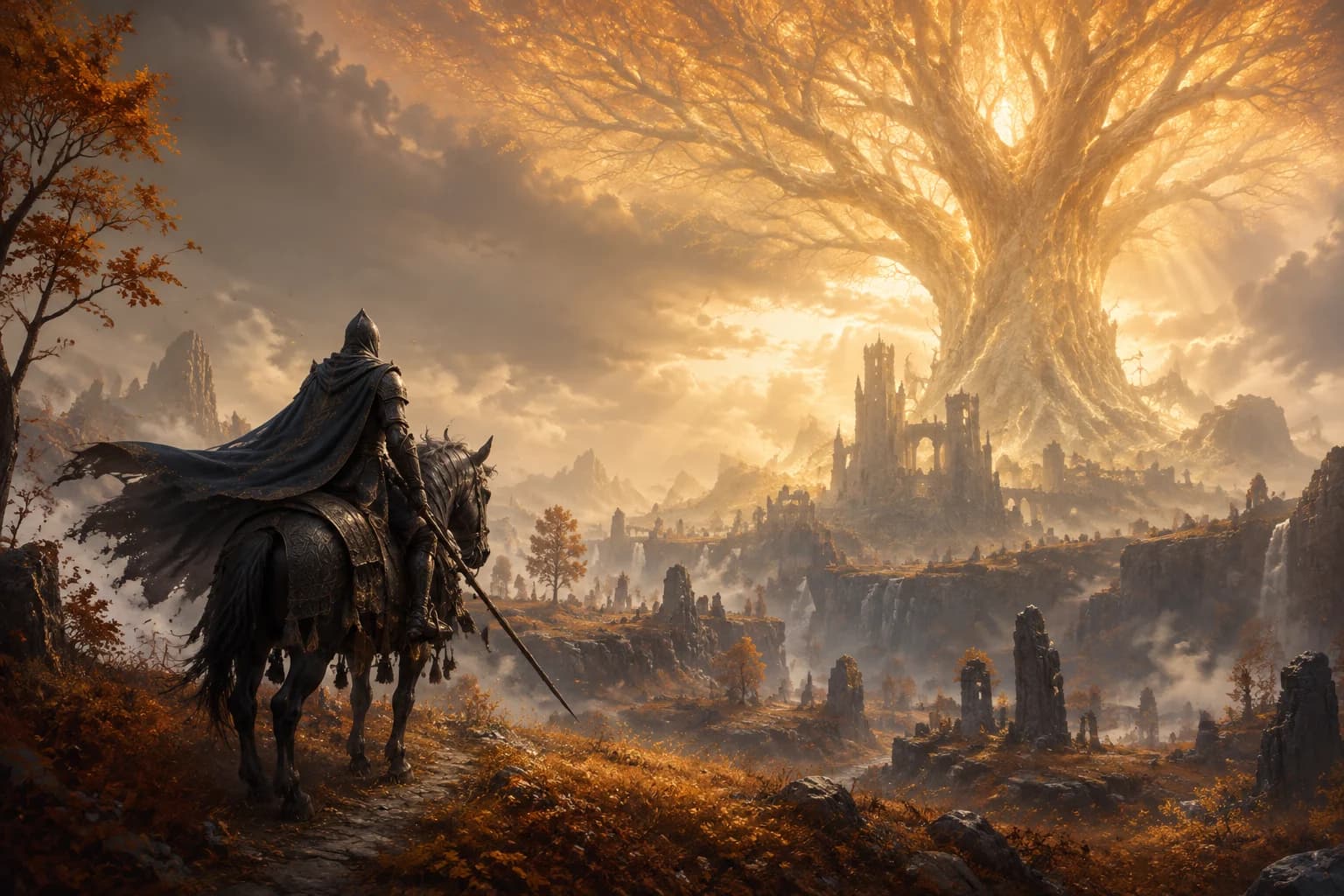
Elden Ring opens FromSoftware’s dangerous design without turning it into errands. A distant silhouette can become a dungeon, a revelation or a mistake you remember all week. Build variety and generous escape routes make the challenge yours to negotiate. The Lands Between reward curiosity with awe.
- 03
The Legend of Zelda: Breath of the Wild
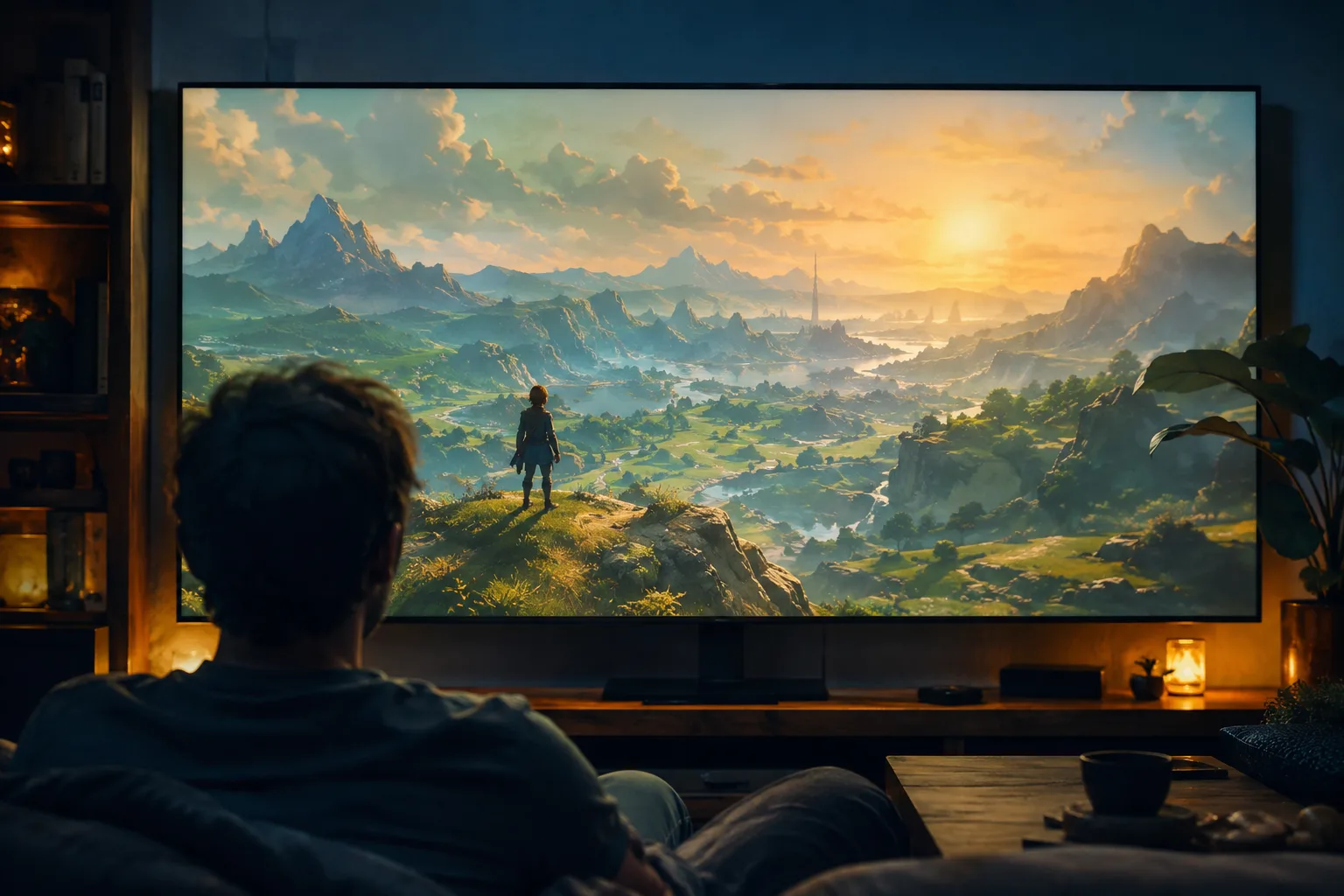
Breath of the Wild replaces locked solutions with consistent rules. Fire spreads, metal conducts, wind carries and mountains invite climbing. The result is an open world where the player authors the route and often the joke. It made curiosity - not map completion - the central progression system again.
- 02
Super Mario Bros.
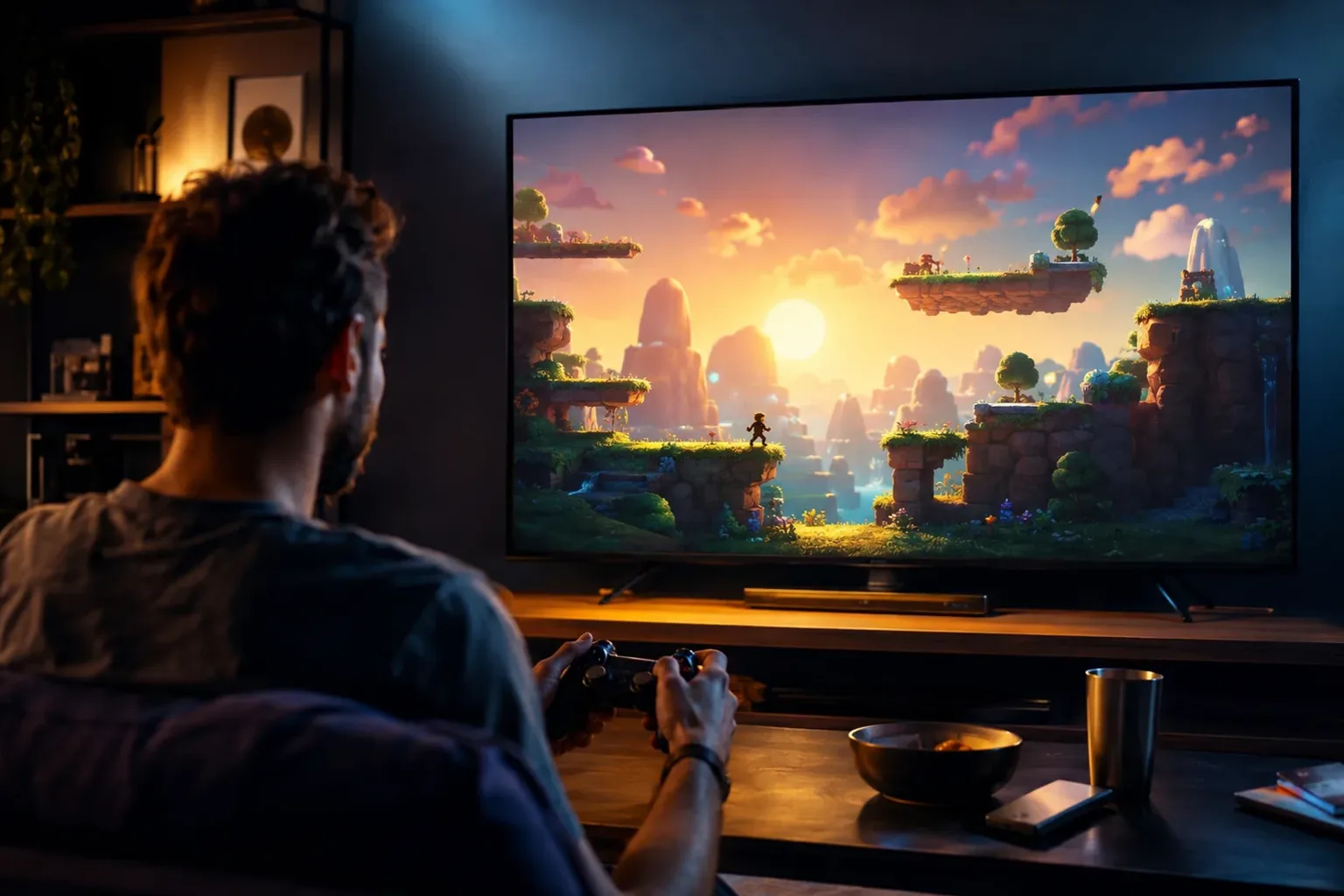
World 1-1 teaches movement, danger, secrets and power without a paragraph. That clarity helped define home-console play, but the game endures because running and jumping still feel joyful. Every platformer since has argued with Mario’s momentum, camera and impeccable first lesson.
- 01
Tetris
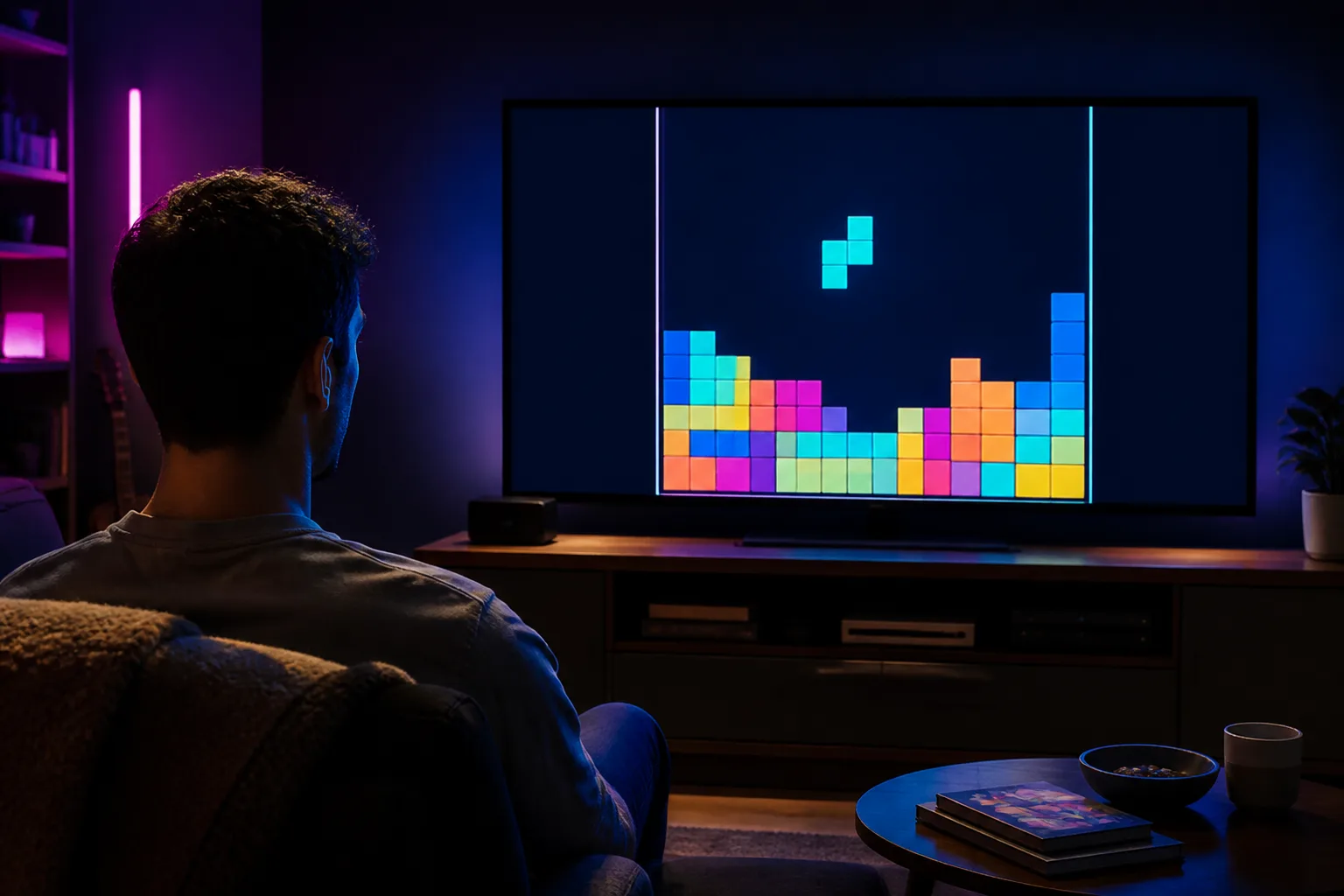
Tetris has no story, progression tree or ending - only a perfect tension between order and the mistake you left five pieces ago. It is instantly understood, endlessly demanding and at home on almost every machine ever called a gaming device. If one game must represent play as a pure, durable idea, this is it.
Games in this story
- JourneyGame page, offers, and discussion
- The Sims 2Game page, offers, and discussion
- FortniteGame page, offers, and discussion
- Resident Evil 4Game page, offers, and discussion
- Portal 2Game page, offers, and discussion
- Metal Gear Solid 3 Snake EaterGame page, offers, and discussion
- DoomGame page, offers, and discussion
- Final Fantasy ViiGame page, offers, and discussion
- Shadow Of The ColossusGame page, offers, and discussion
- Mass Effect 2Game page, offers, and discussion
- Street Fighter IiGame page, offers, and discussion
- MinecraftGame page, offers, and discussion
- Half Life 2Game page, offers, and discussion
- The Last Of UsGame page, offers, and discussion
- Halo Combat EvolvedGame page, offers, and discussion
- Pokemon Red Blue YellowGame page, offers, and discussion
- Dark SoulsGame page, offers, and discussion
- Grand Theft Auto VGame page, offers, and discussion
- Baldurs Gate 3Game page, offers, and discussion
- Super MetroidGame page, offers, and discussion
- Red Dead Redemption 2Game page, offers, and discussion
- Elden RingGame page, offers, and discussion
- The Legend Of Zelda Breath Of The WildGame page, offers, and discussion
- Super Mario BrosGame page, offers, and discussion
- TetrisGame page, offers, and discussion
Further reading
Gamer-Z Paradise Lists 10 Most Anticipated Games Still Coming in 2026
David Bennett · · 9 minGamer-Z Paradise Lists 10 Best Co-Op Games to Play With Friends in 2026
David Bennett · · 9 minGamer-Z Paradise Lists 15 Gaming Setup Upgrades Actually Worth Buying
David Bennett · · 10 min